






1 – Strategic Location and Extension
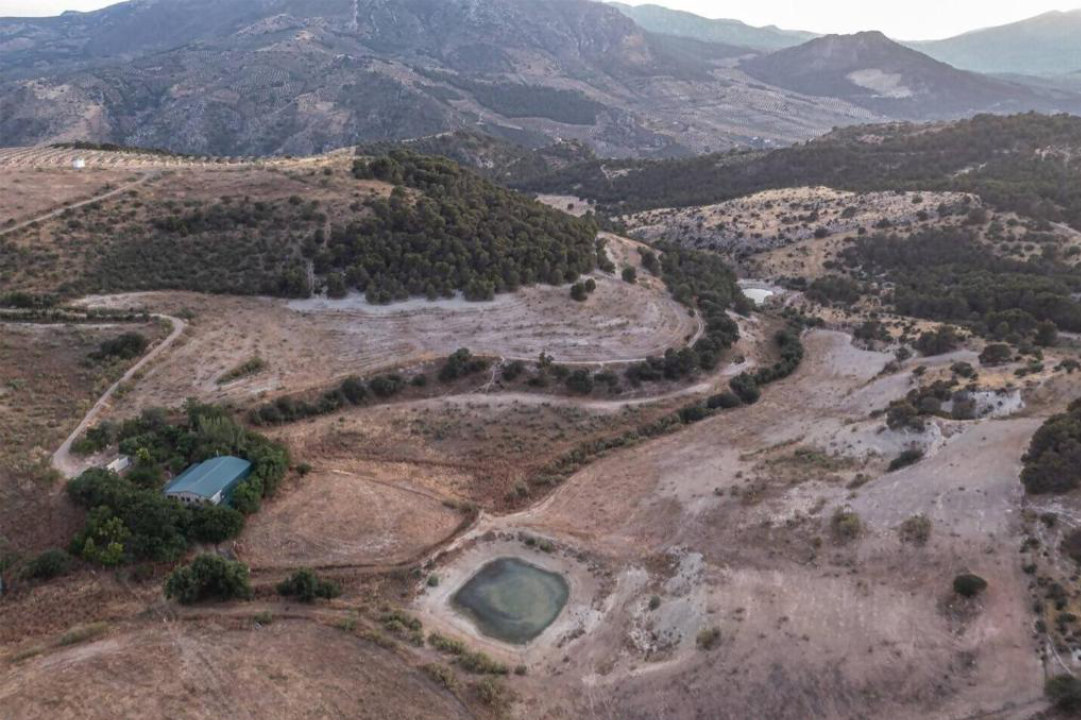
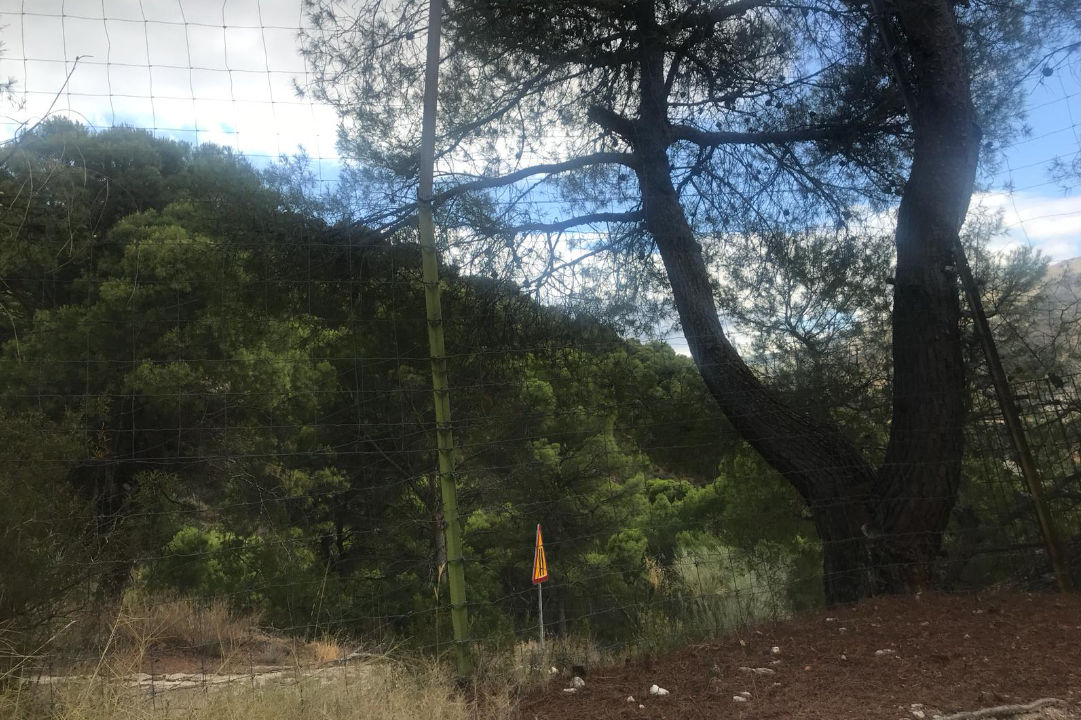
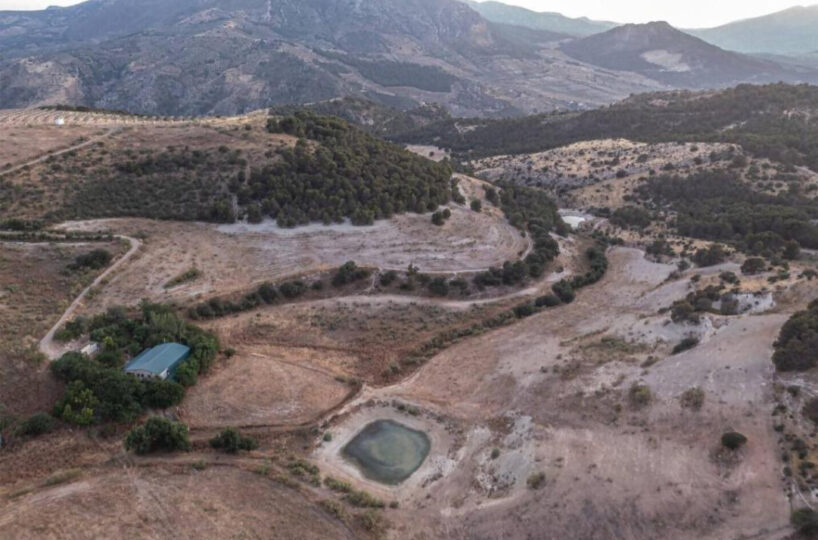
The estate covers 560 hectares, of which 520 hectares are enclosed with high-quality game fencing with visor and ground stitching, and approximately 40 hectares are enclosed with livestock fencing.
Its location is exceptional, as it lies right next to the Madrid–Granada–Málaga highway.
Distances: Jaén – 19 km, Granada – 67 km, Málaga – 180 km.
The property is accessed via an asphalted road — no dirt tracks — directly from the highway, which is just 1 km away, although the estate actually borders the highway itself.
Notably, the property is located 45 minutes from Granada Airport and just over an hour from Málaga Airport, and will soon benefit from the Madrid–Granada High-Speed Train (AVE) connection.
2 – Water Supply, Wells and Reservoirs
In Andalusia, and particularly for estates of this kind, water resources are vital, and few properties enjoy such abundance.
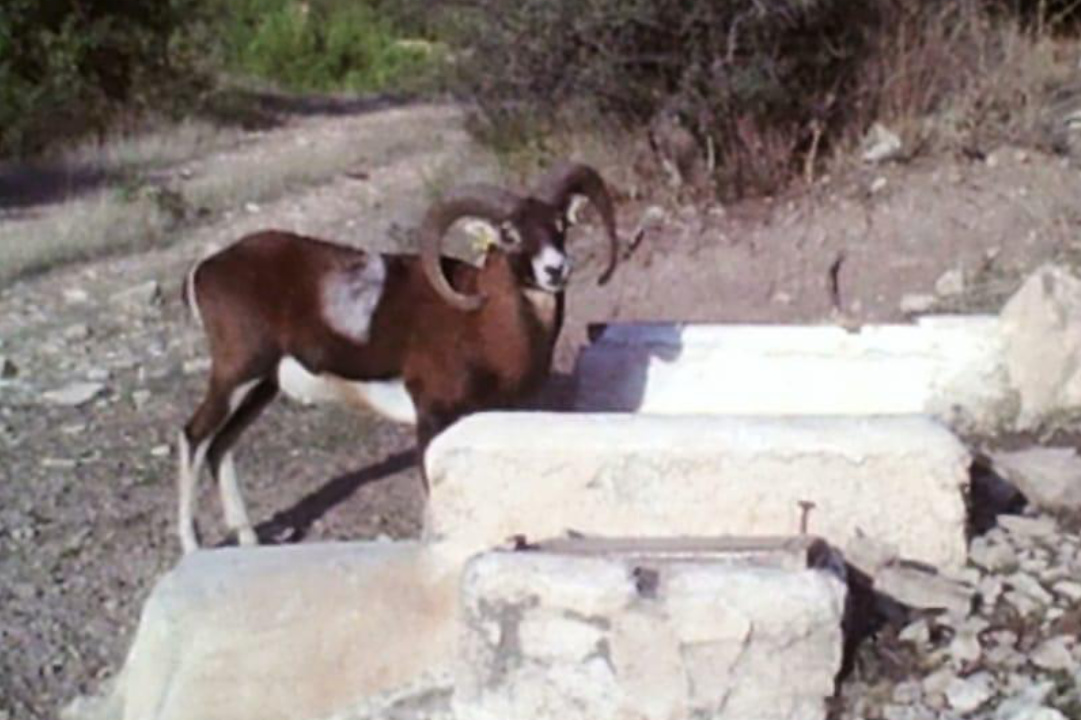
The estate has 18 masonry drinking troughs distributed throughout its surface to provide water to both game and livestock species.
There are two registered wells supplying water to three strategically located reservoirs, which distribute water via kilometres of underground piping through an automated system with motors and pumps.
A natural spring flows year-round, never drying up.
The estate also enjoys municipal water supply, which is quite uncommon in rural properties.
Additionally, there are four artificial ponds that collect and store rainwater.
3 – Buildings and Facilities
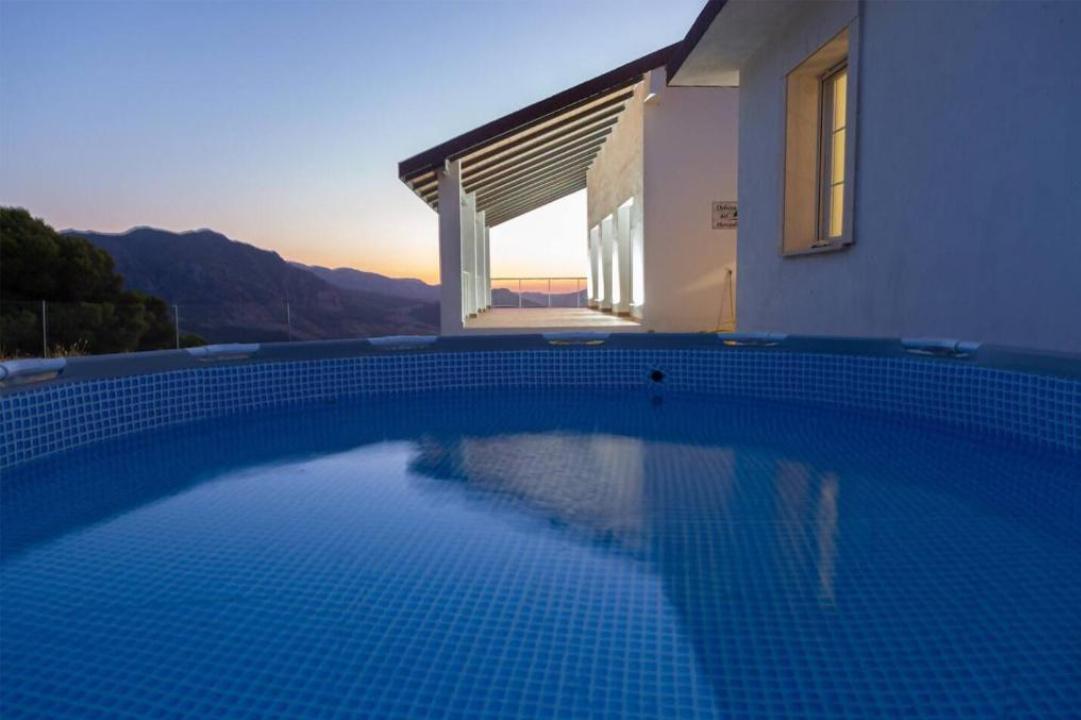
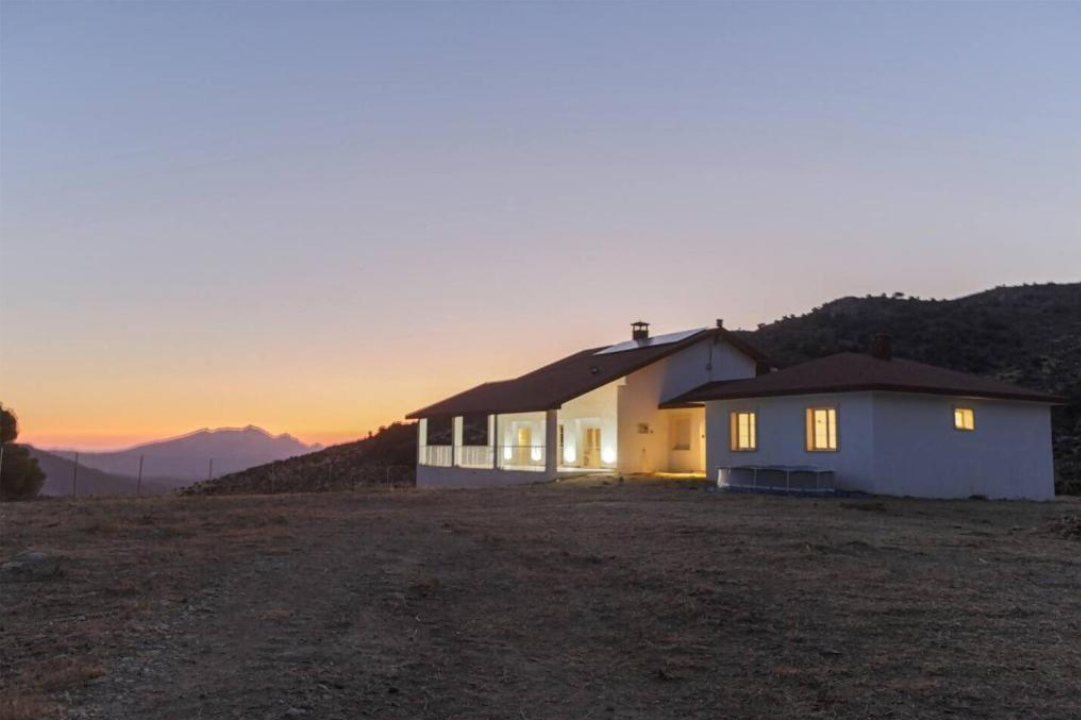
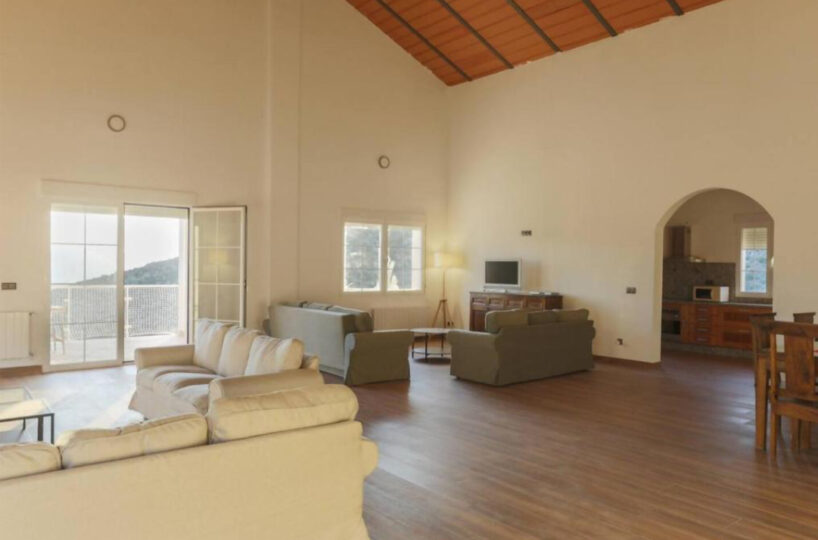
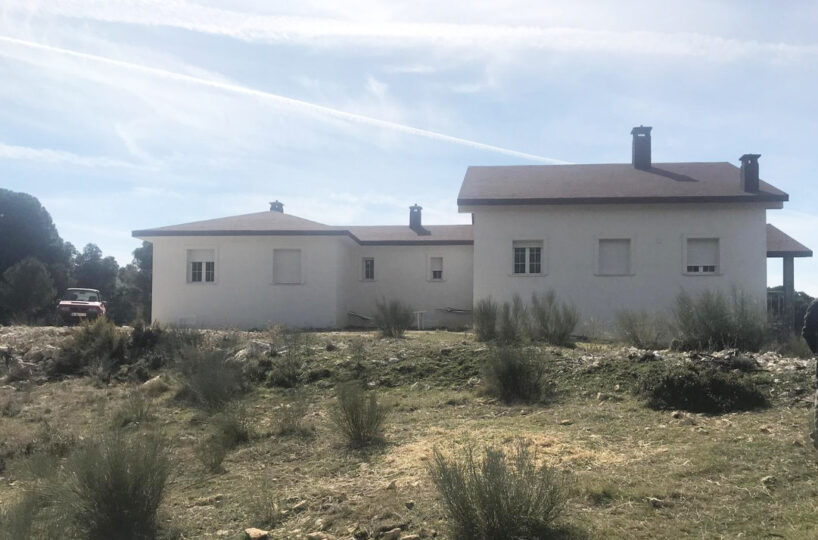
The estate includes three residences:
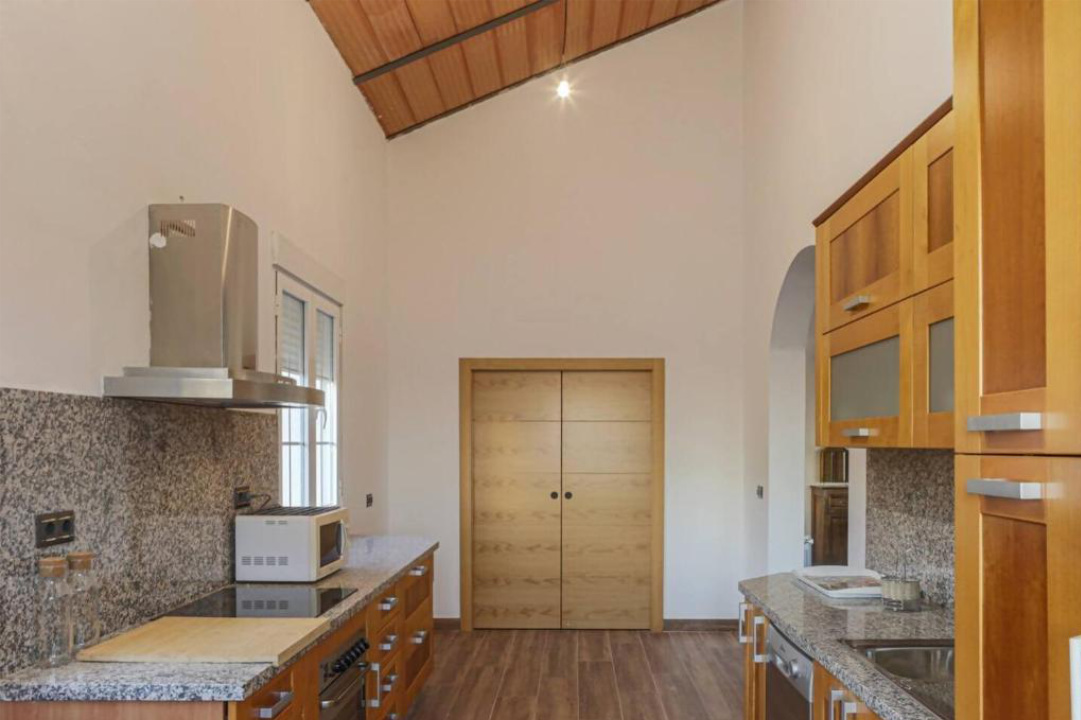
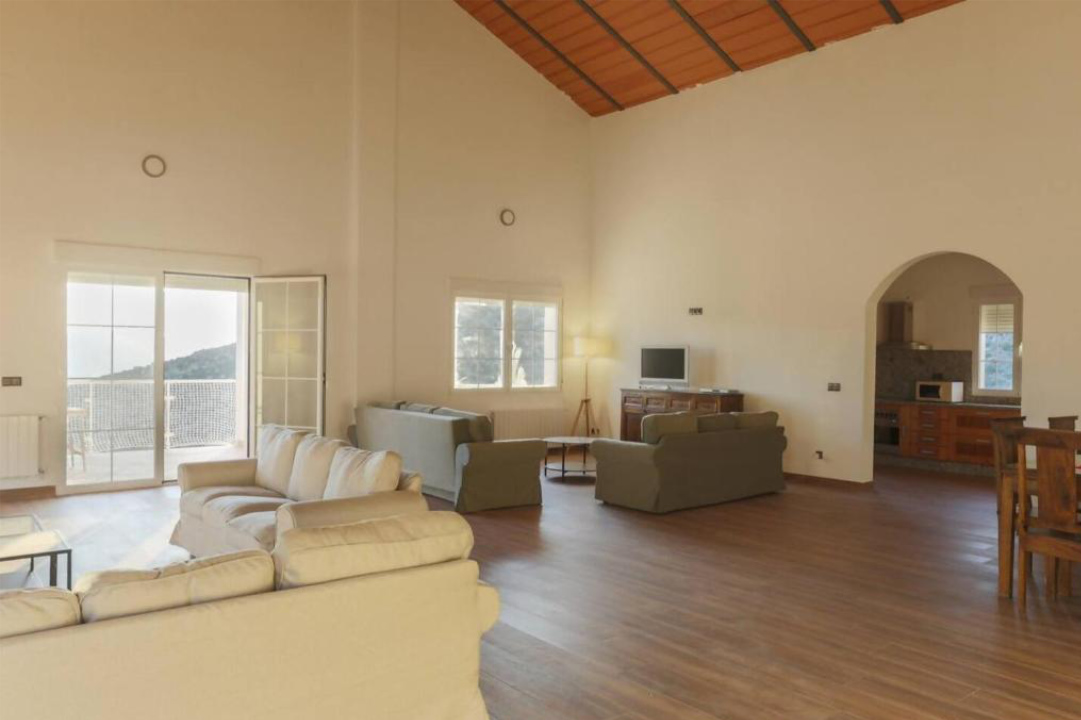
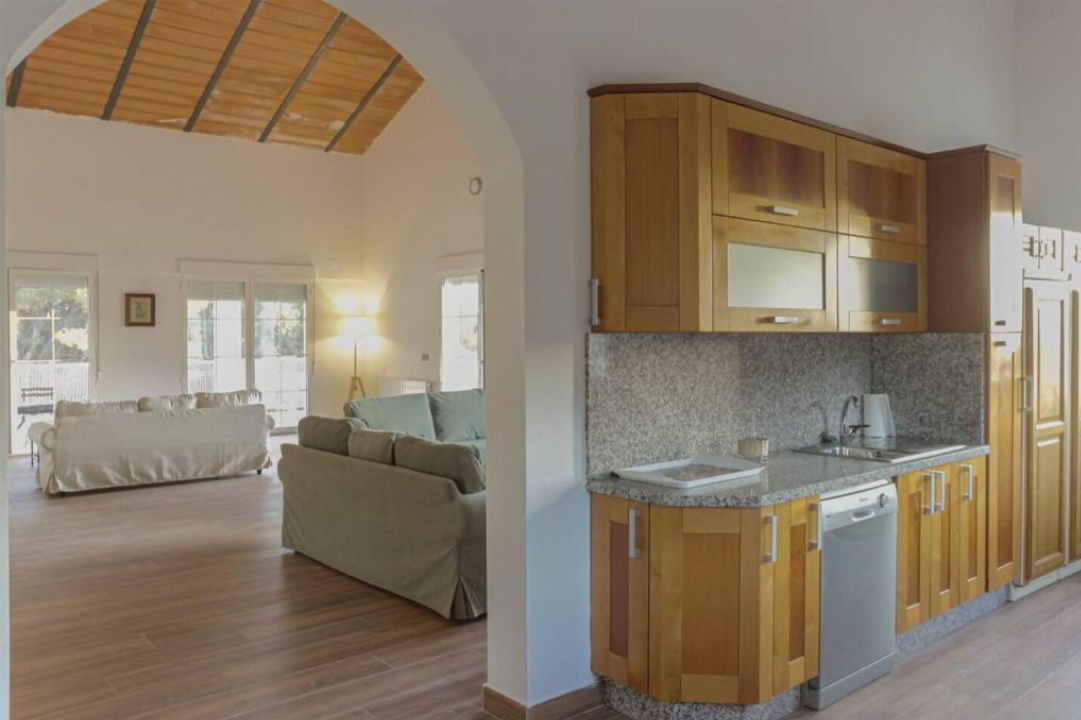
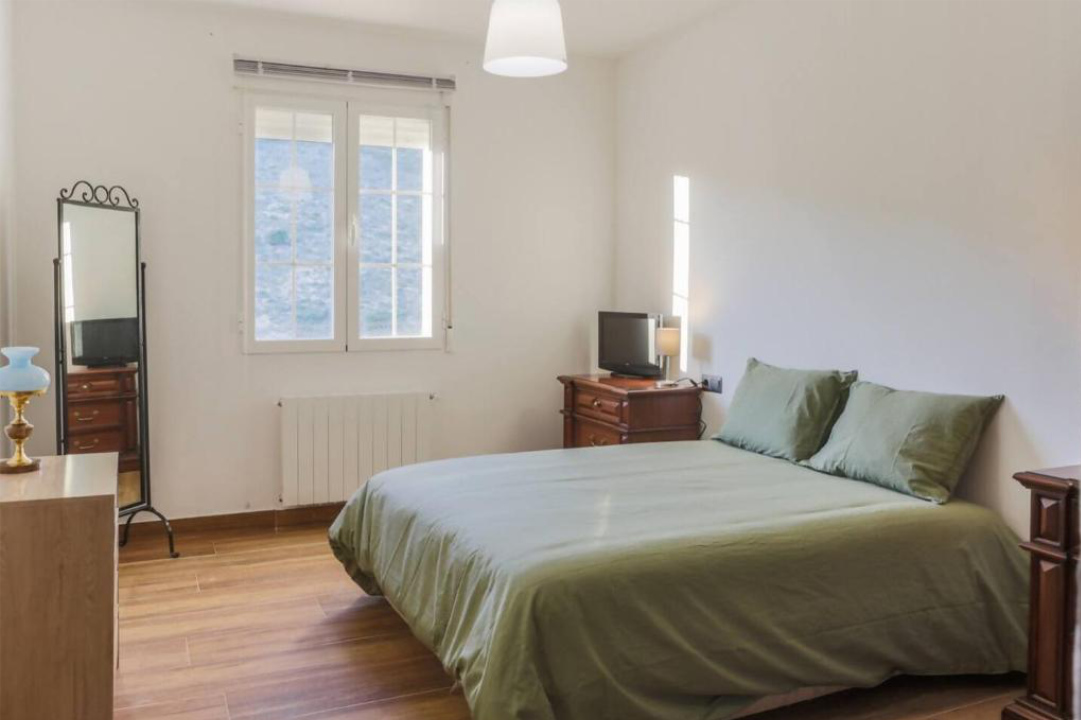
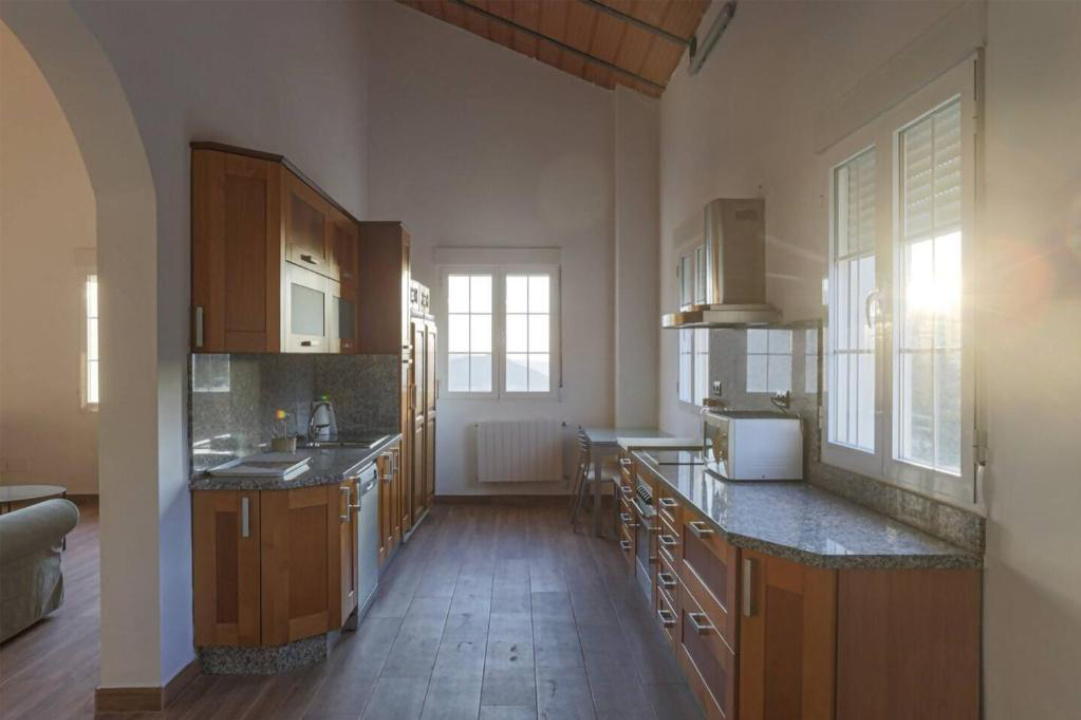
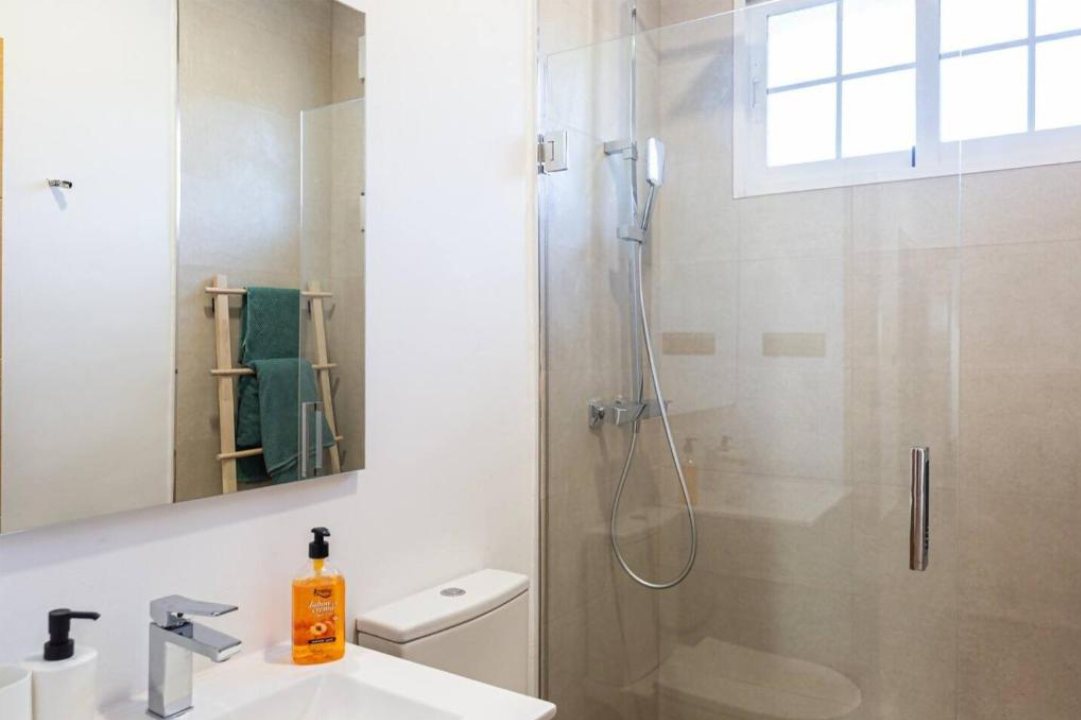
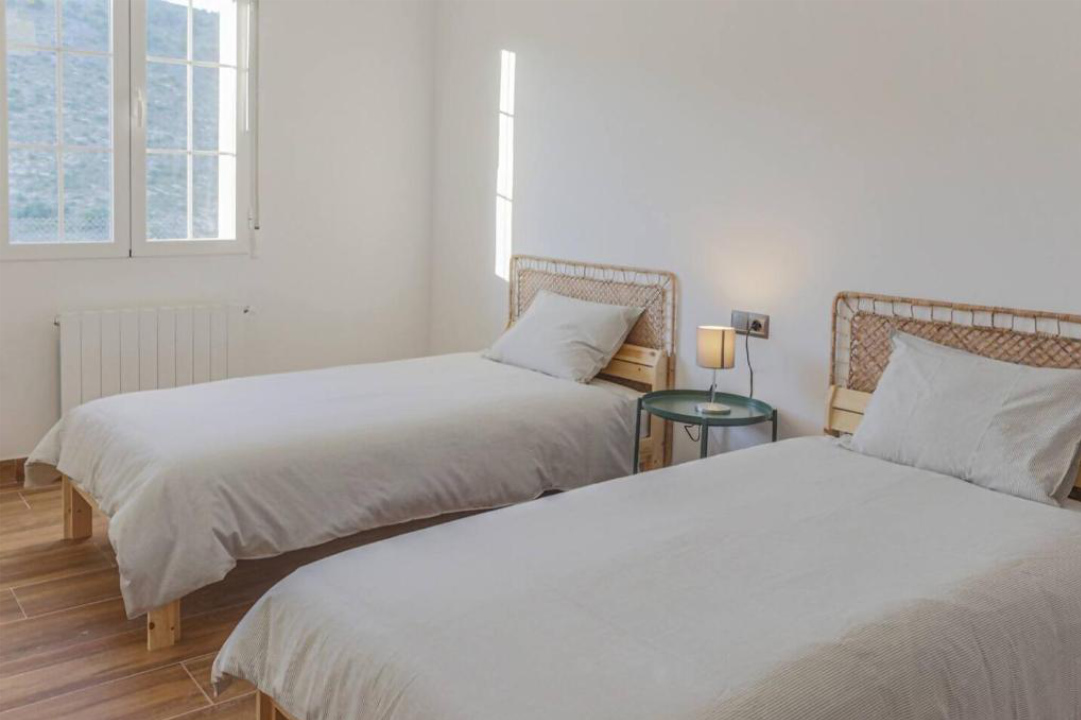
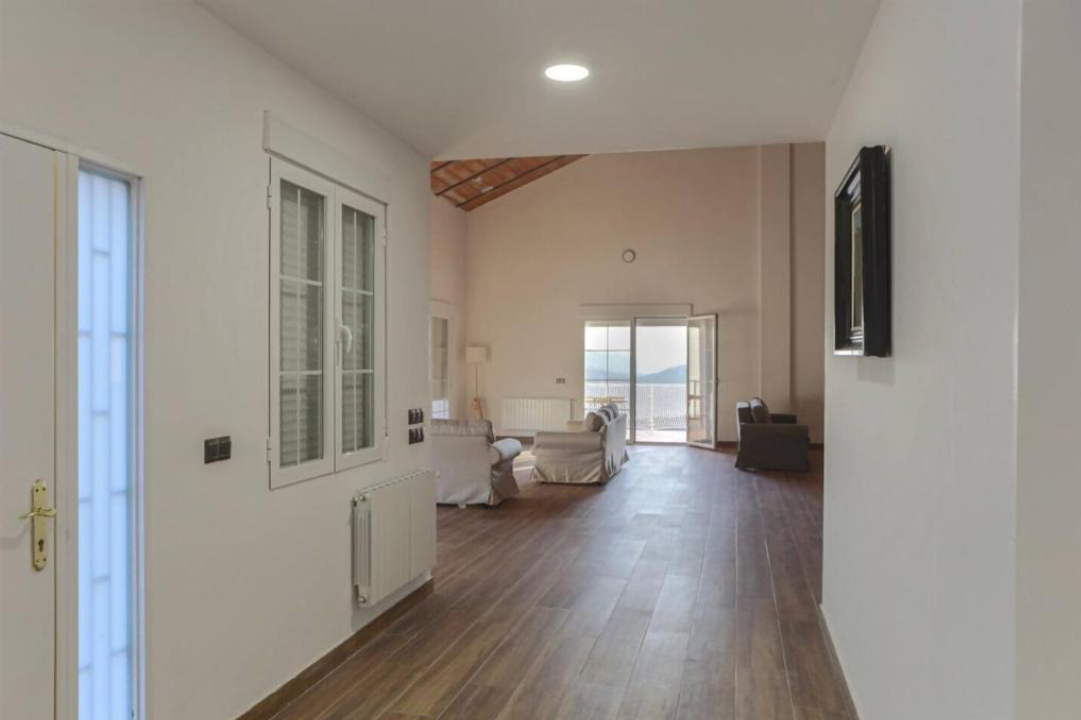
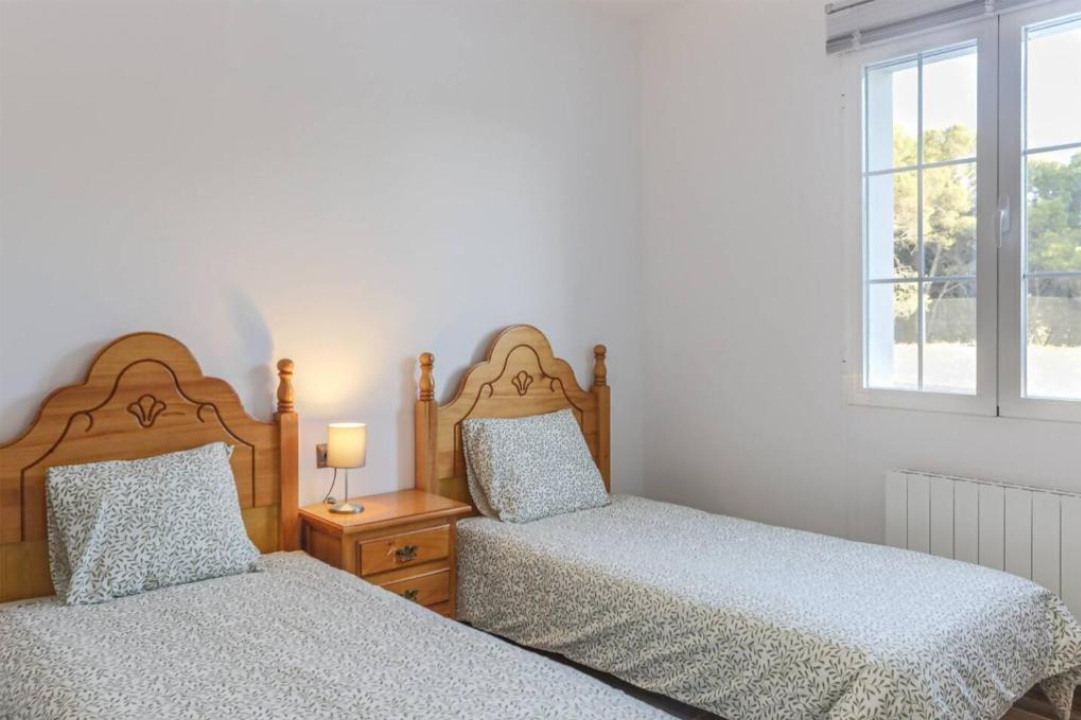
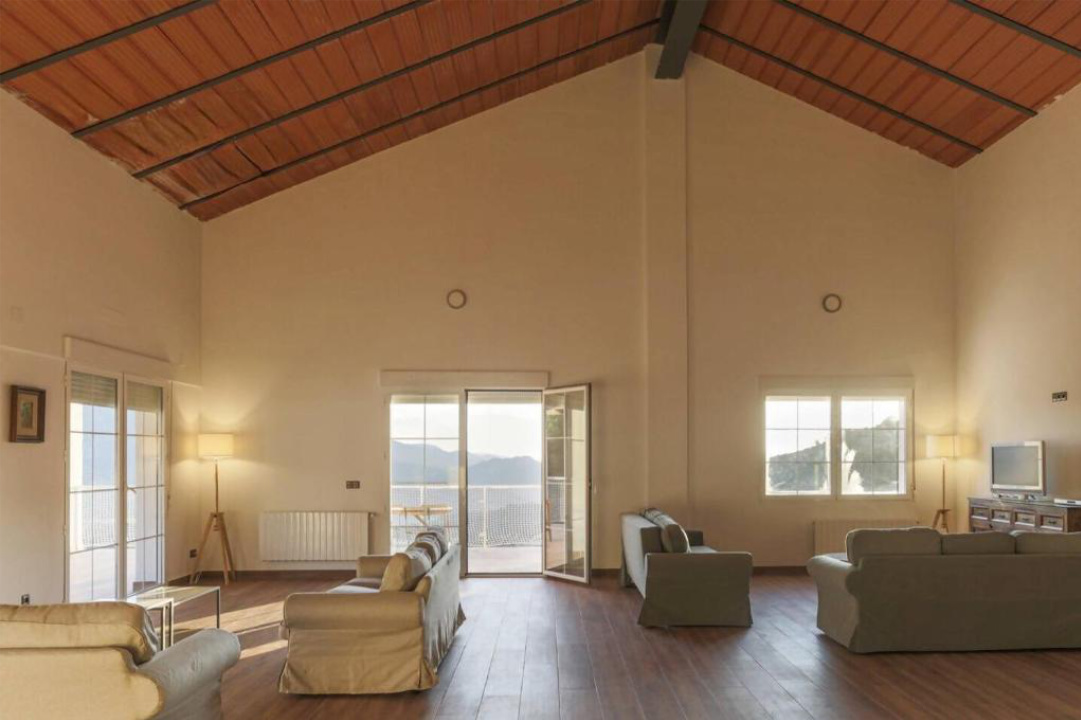
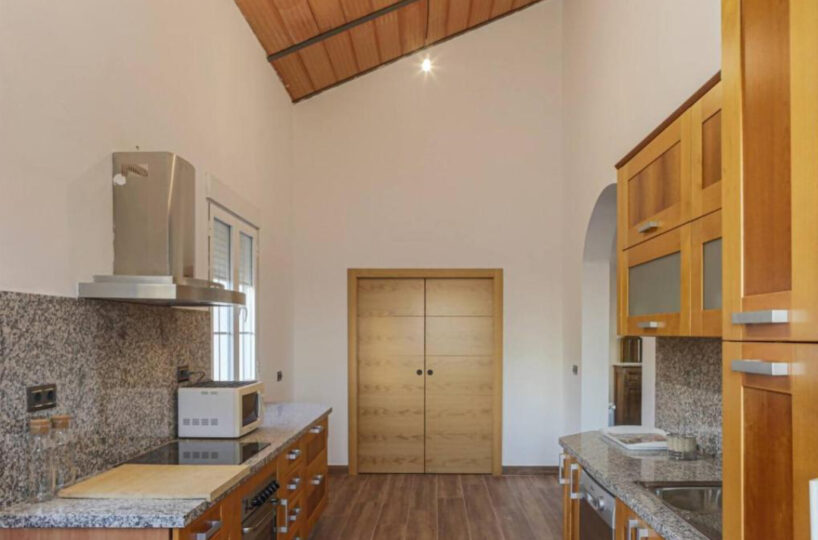
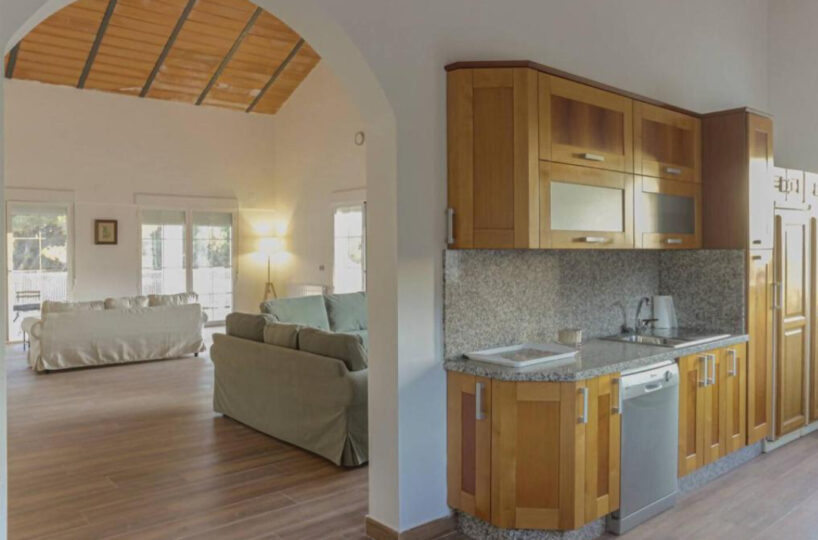
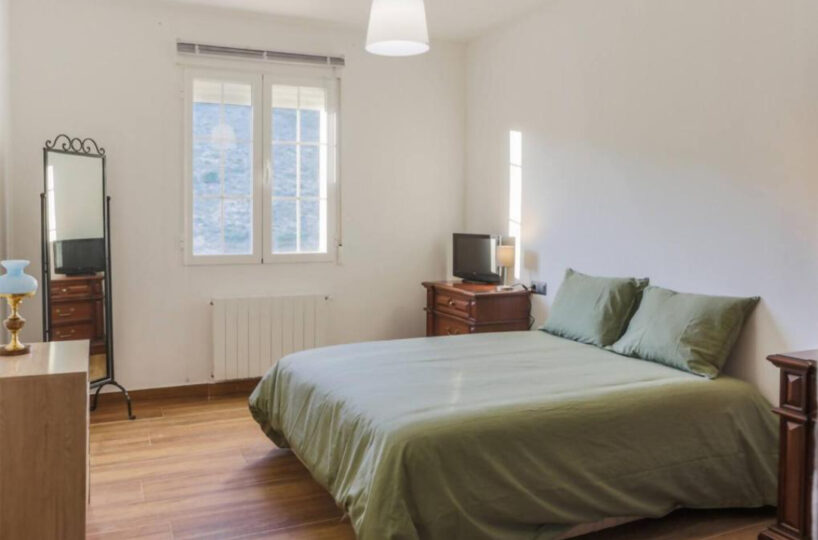
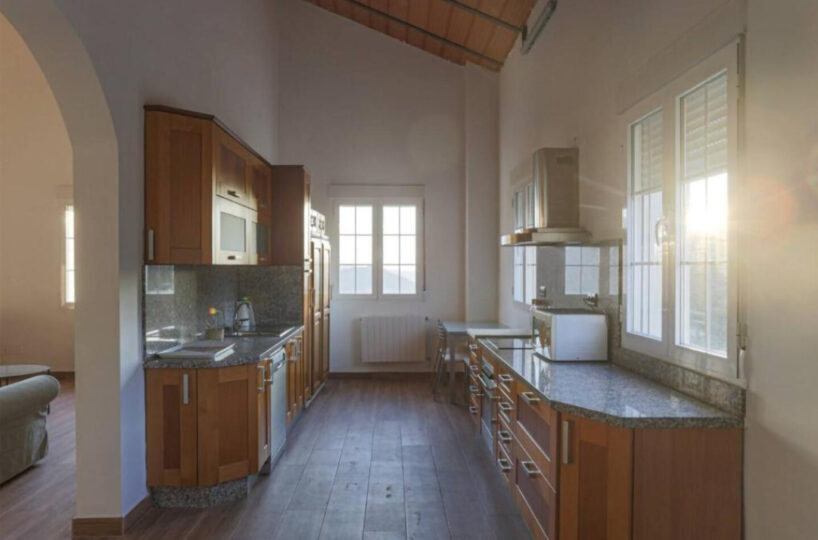
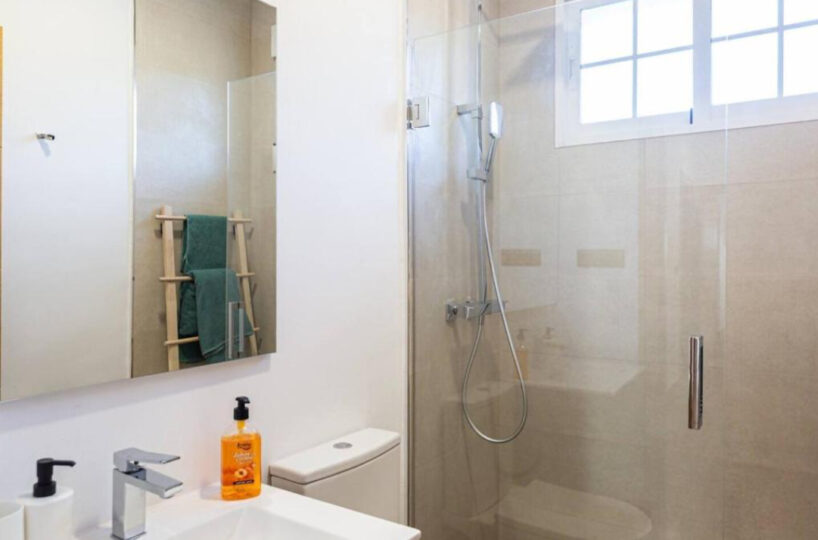
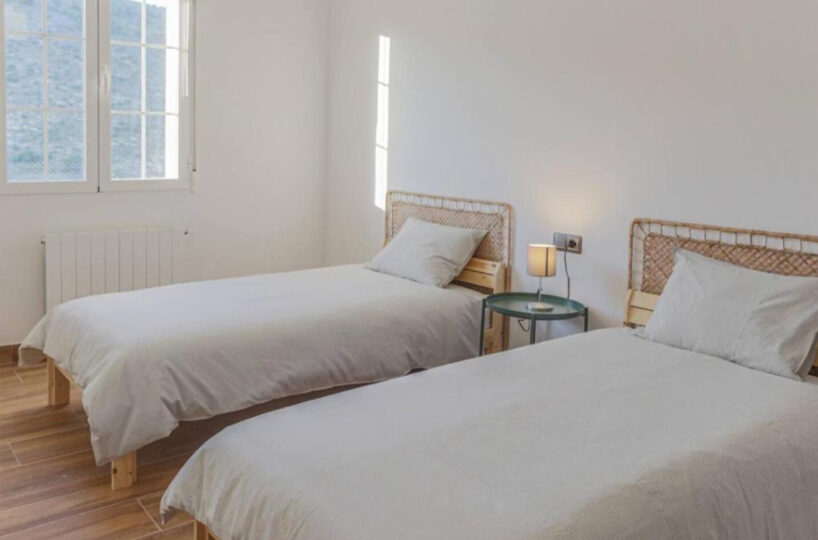
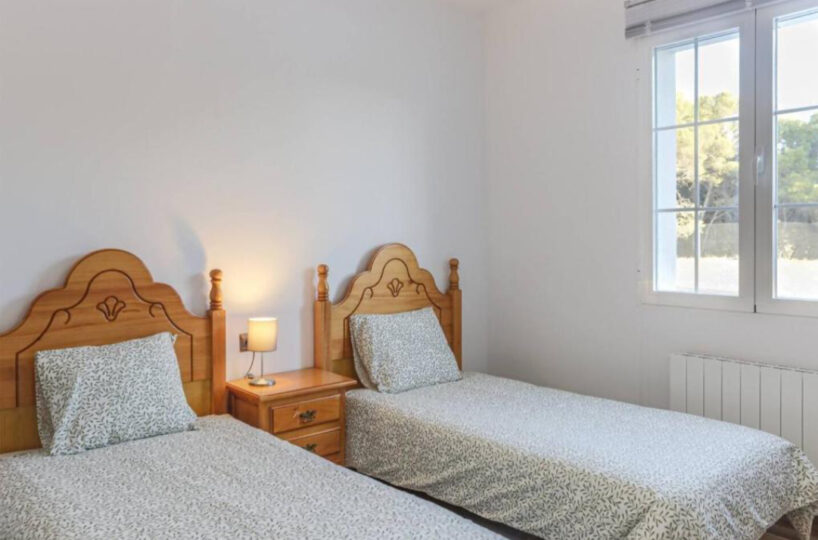
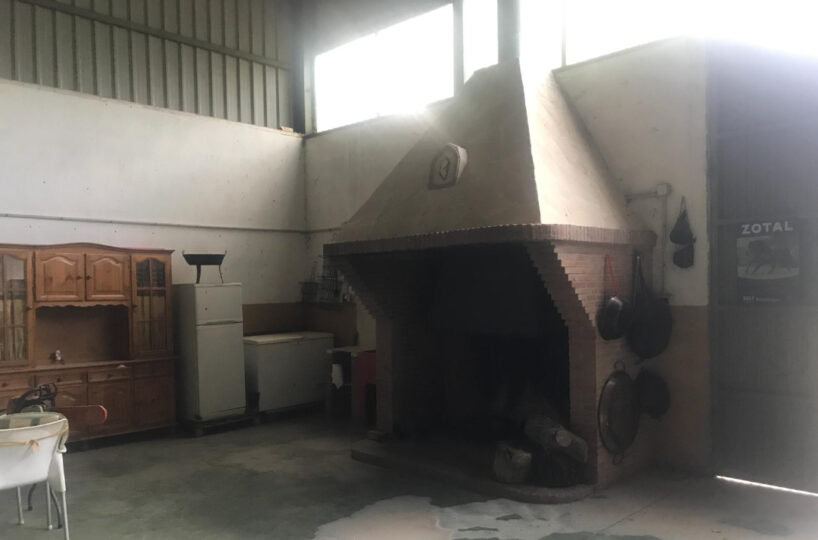
- Apartment: three bedrooms, two bathrooms, kitchen, and living room with fireplace, fully furnished.
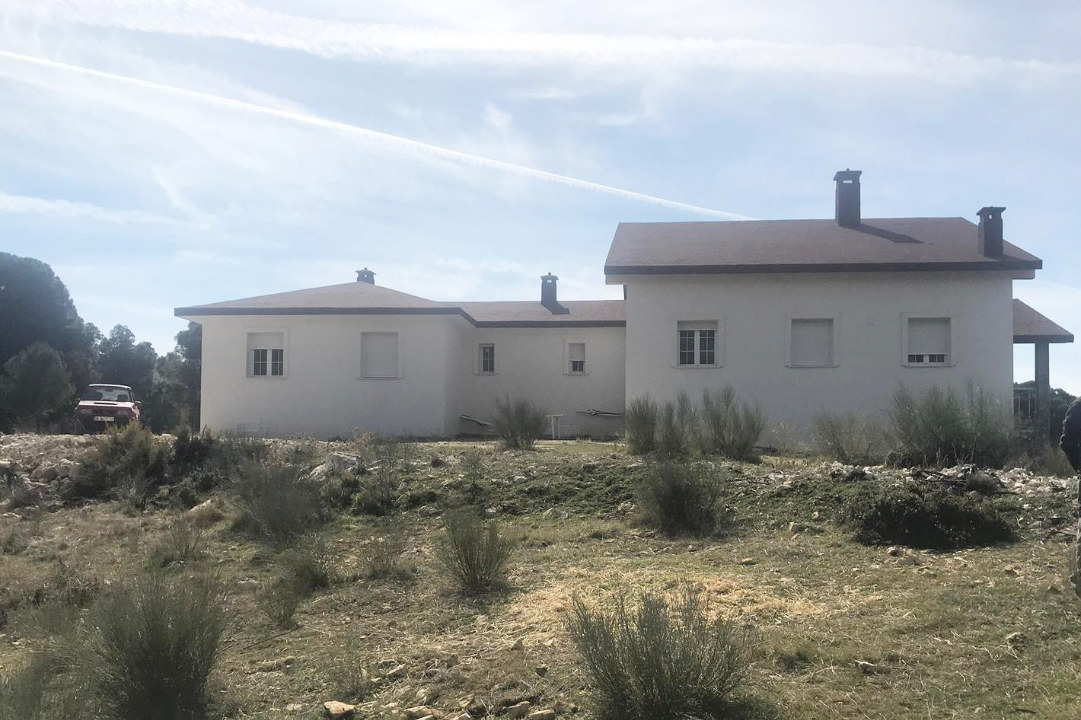
- Guard house: two bedrooms, bathroom, and living room with open kitchen, furnished and in use.
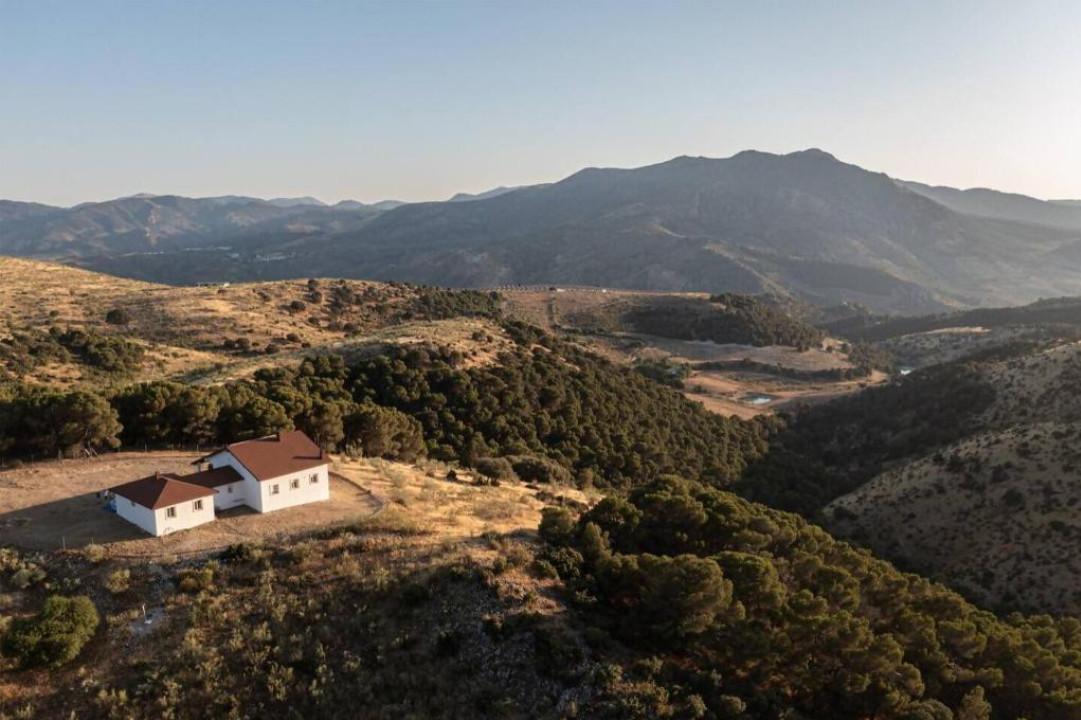
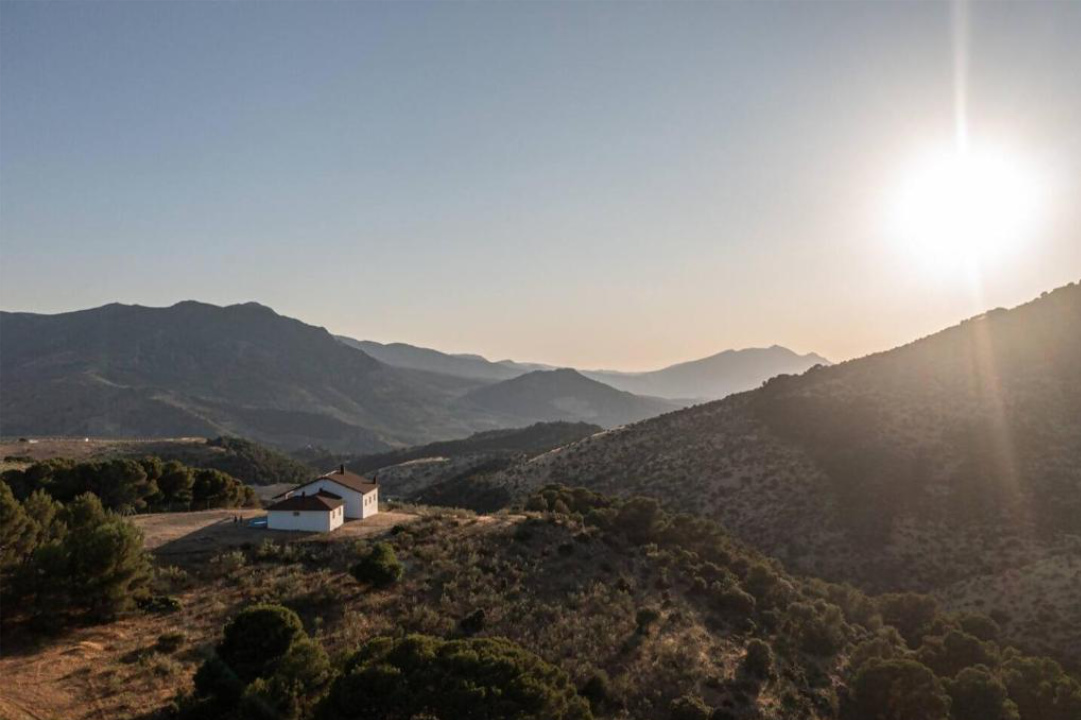
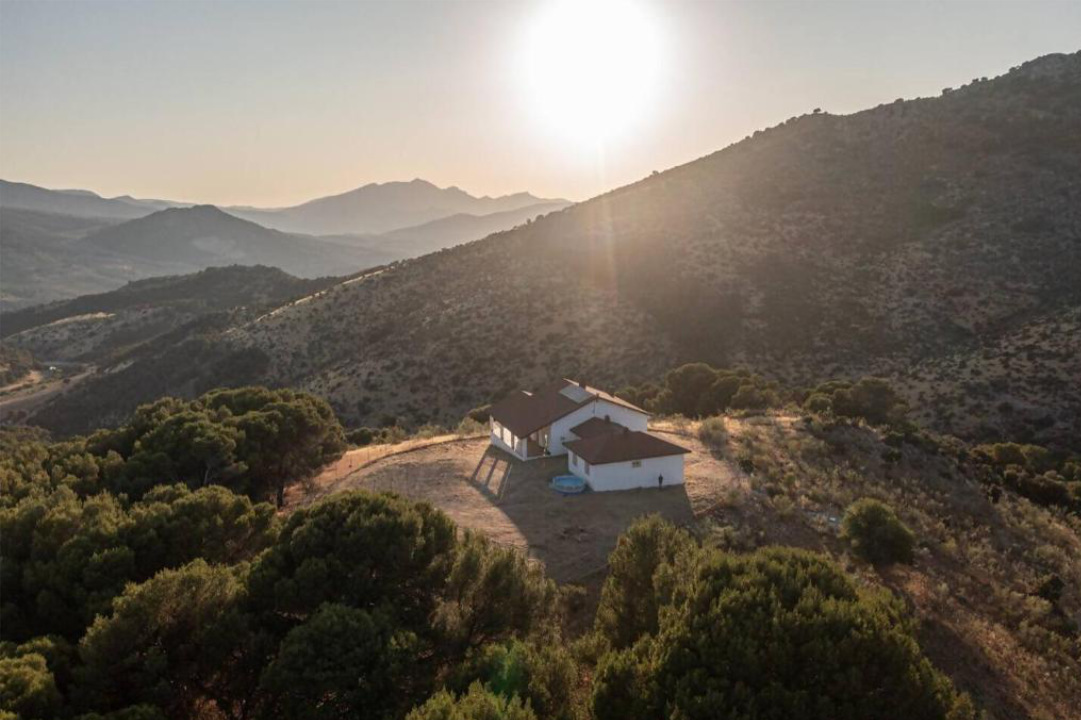
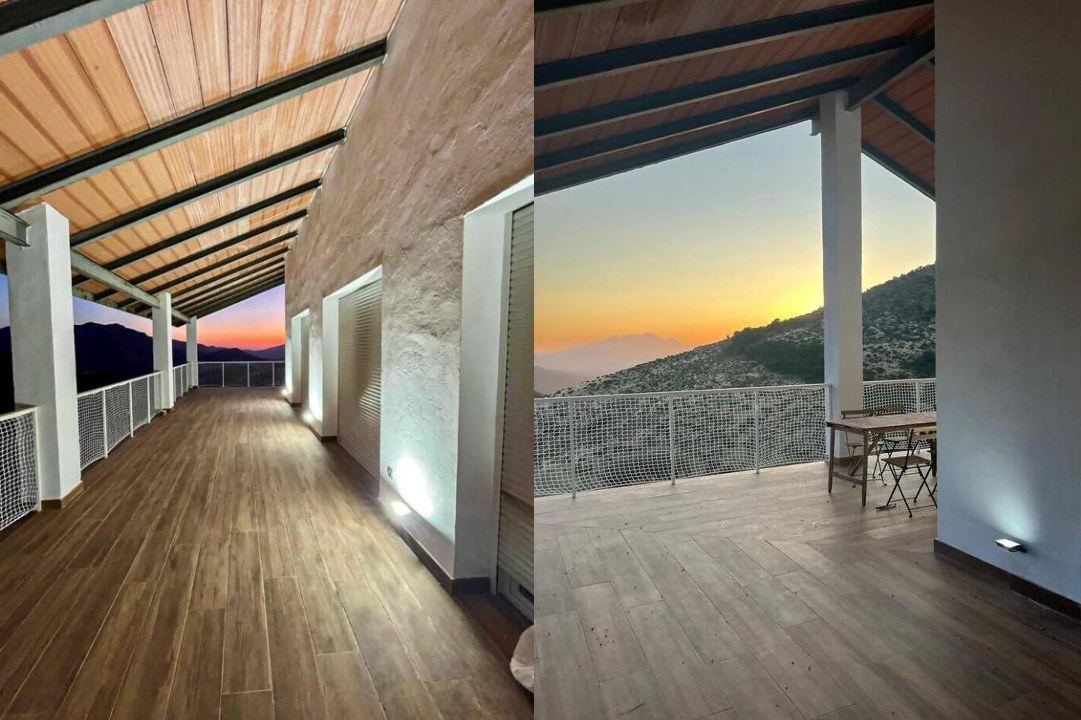
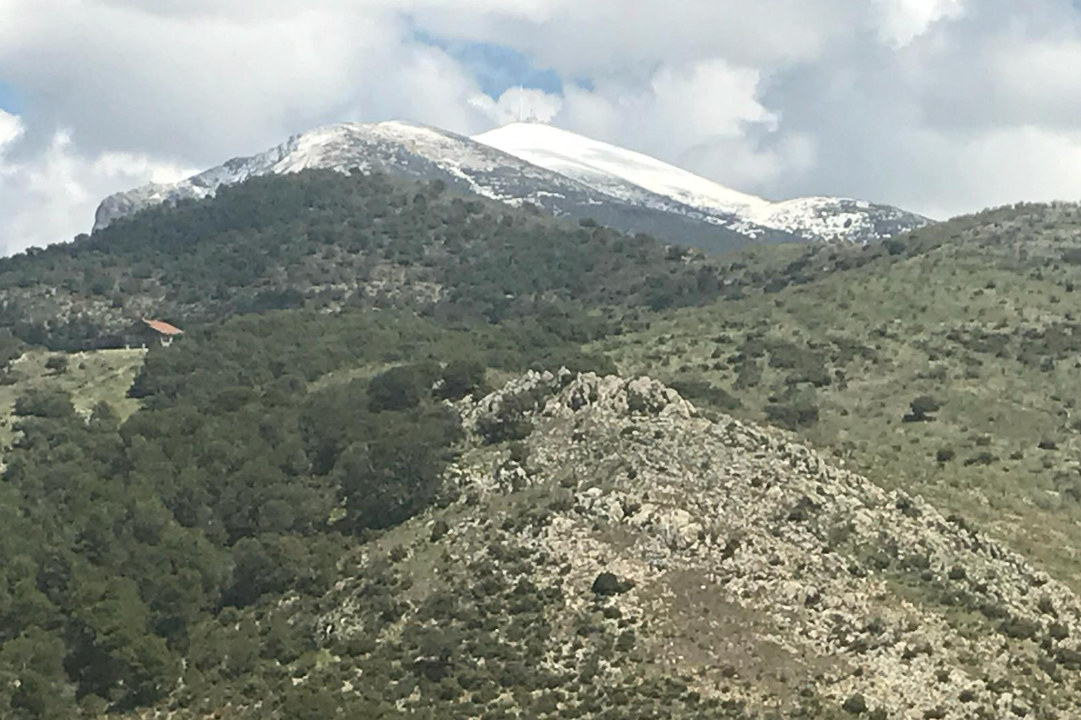
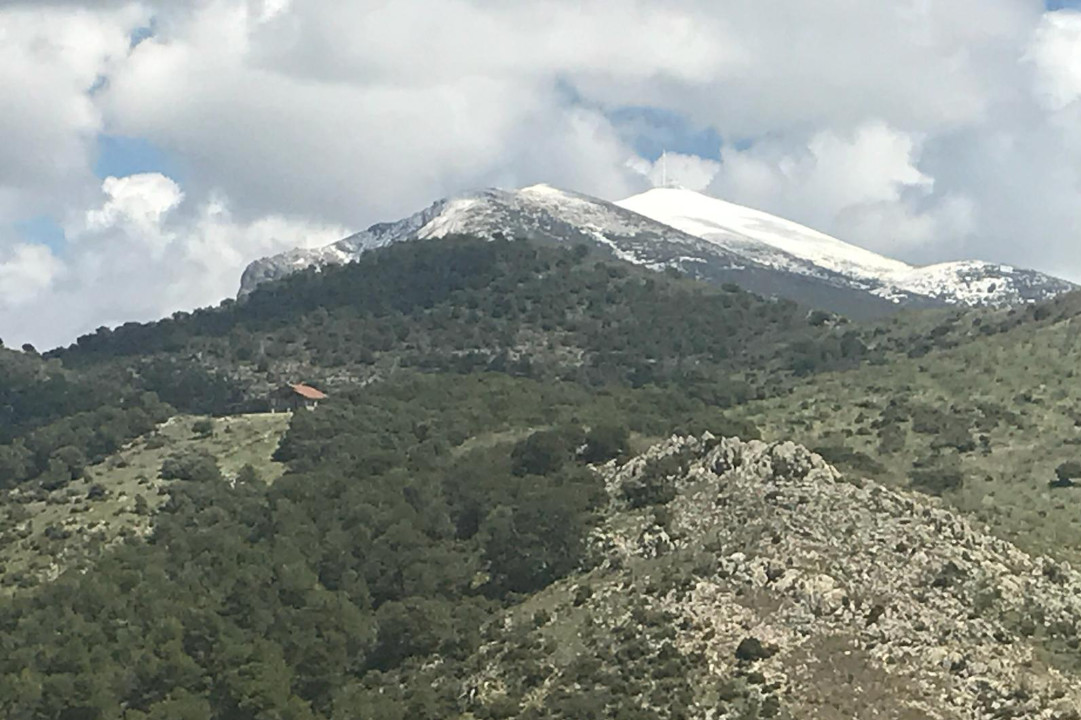
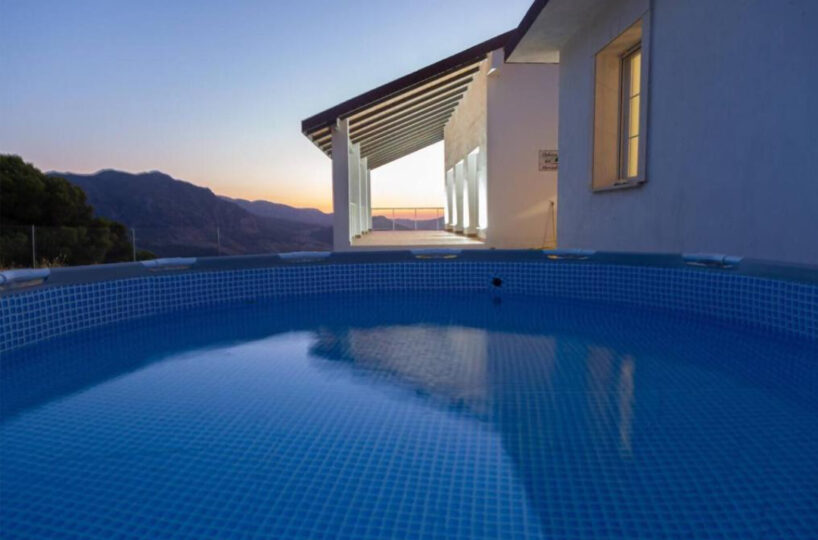
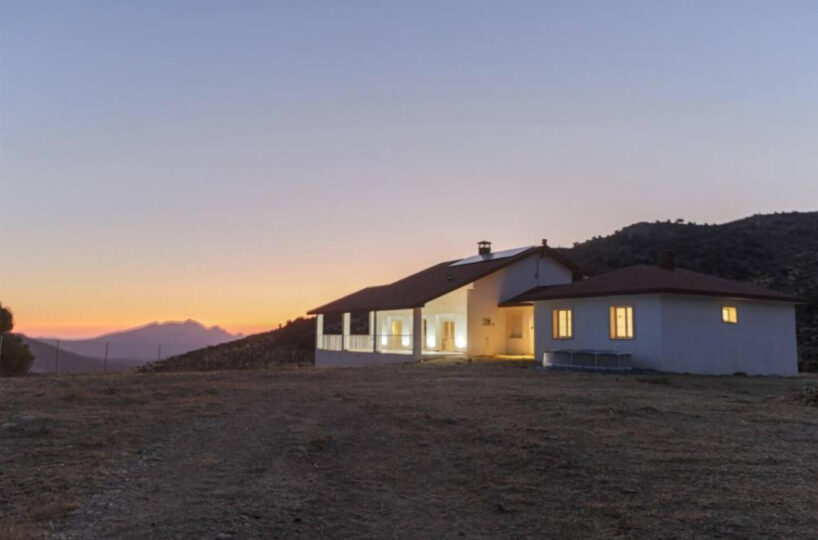
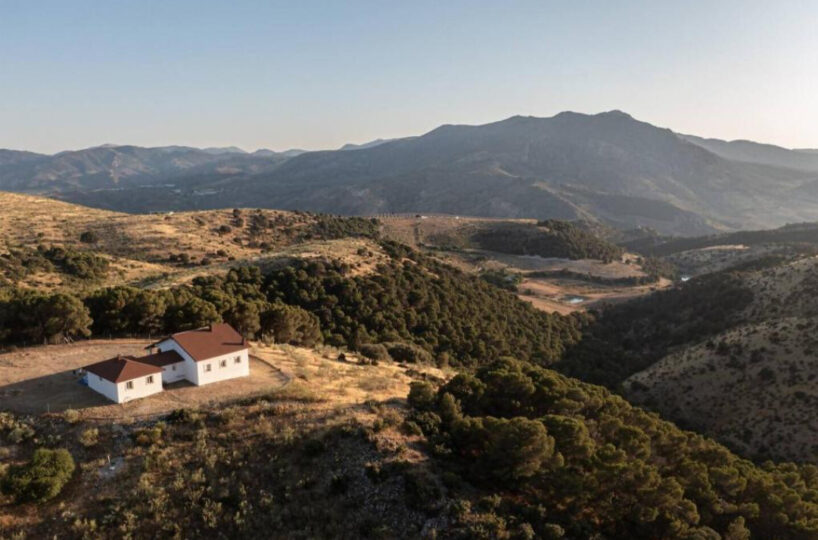
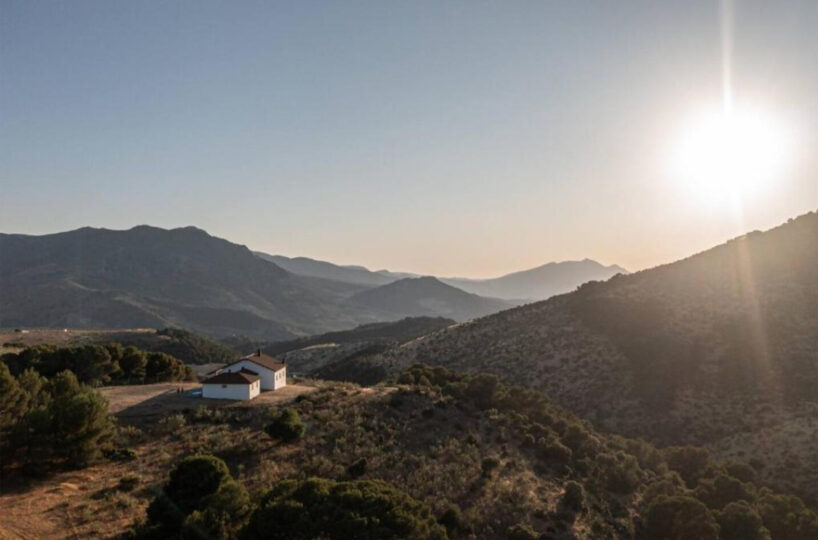
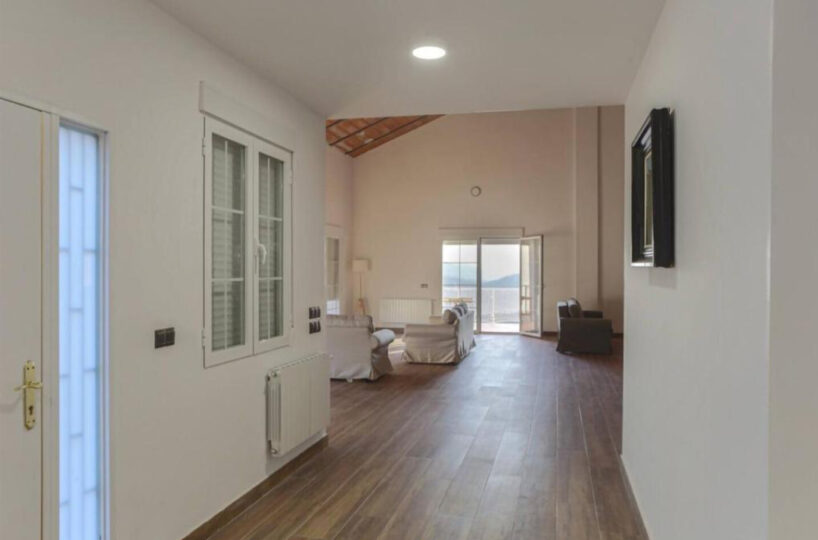
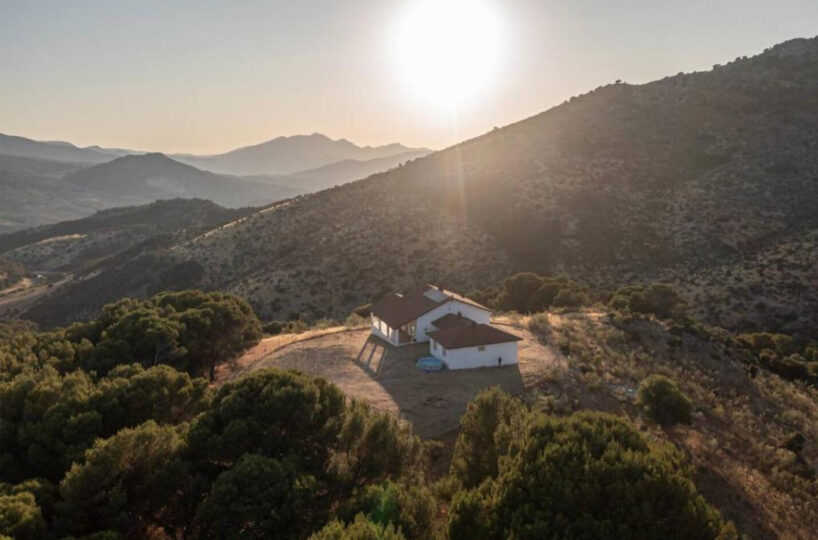
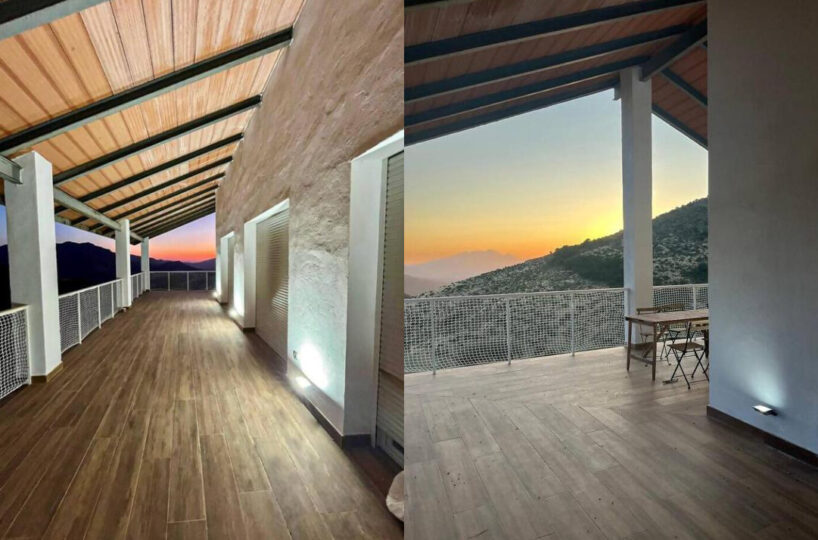
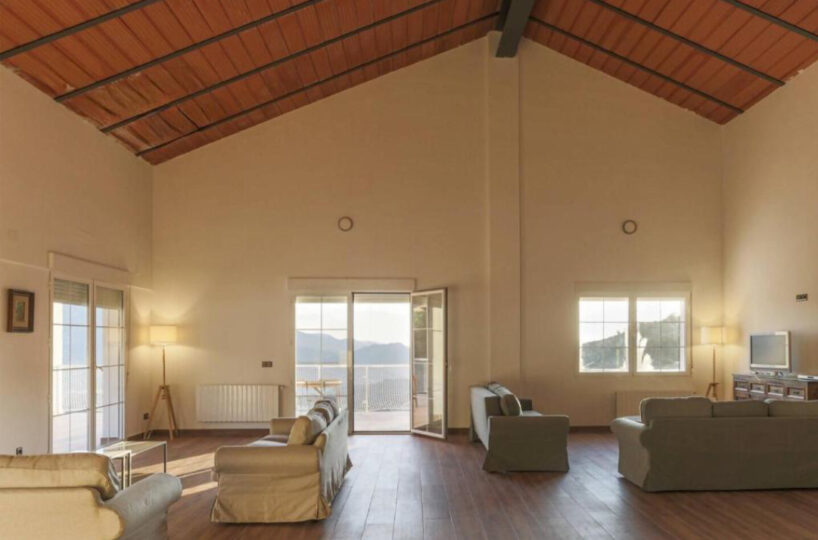
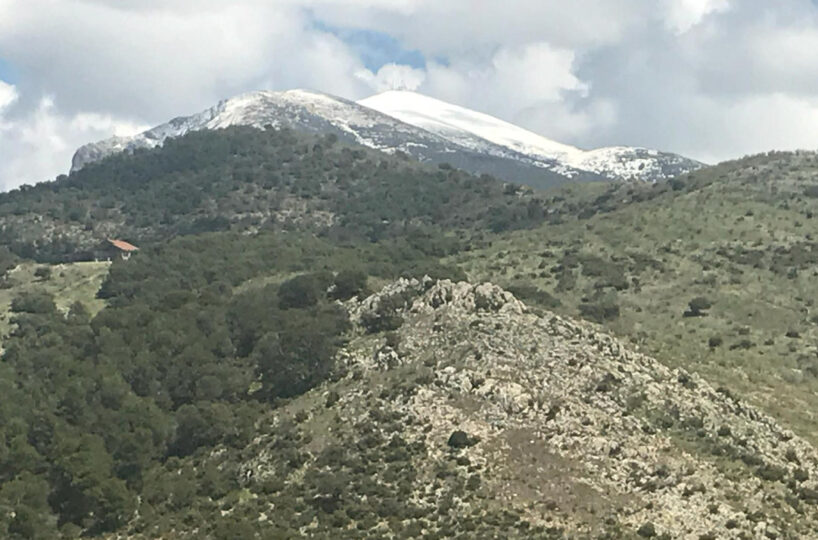
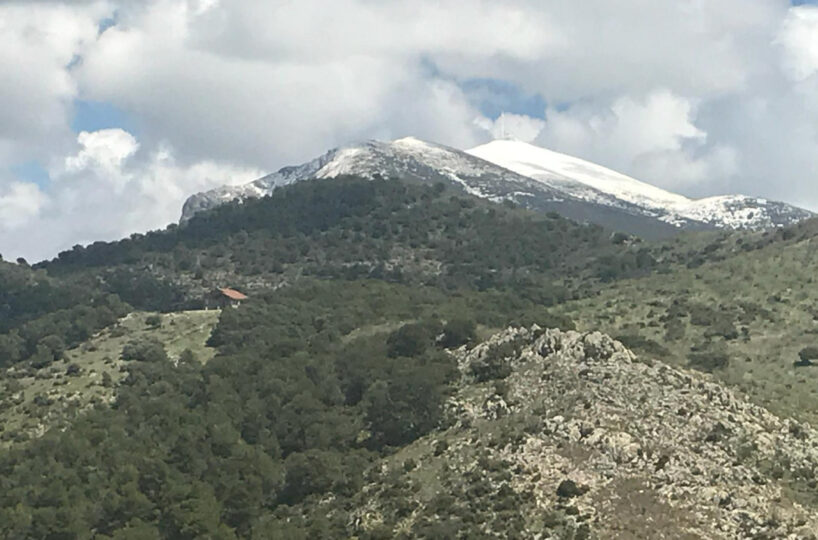
- Main residence: a new house under construction, strategically situated on a plateau overlooking almost the entire estate with magnificent views of the Sierra Mágina Natural Park.
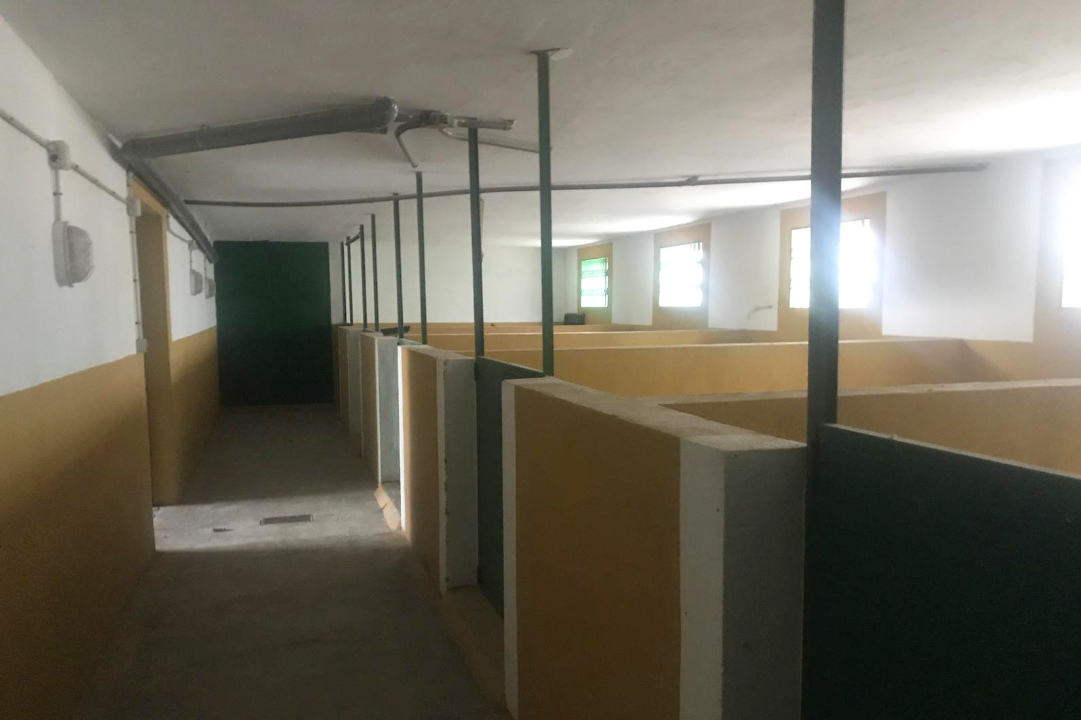
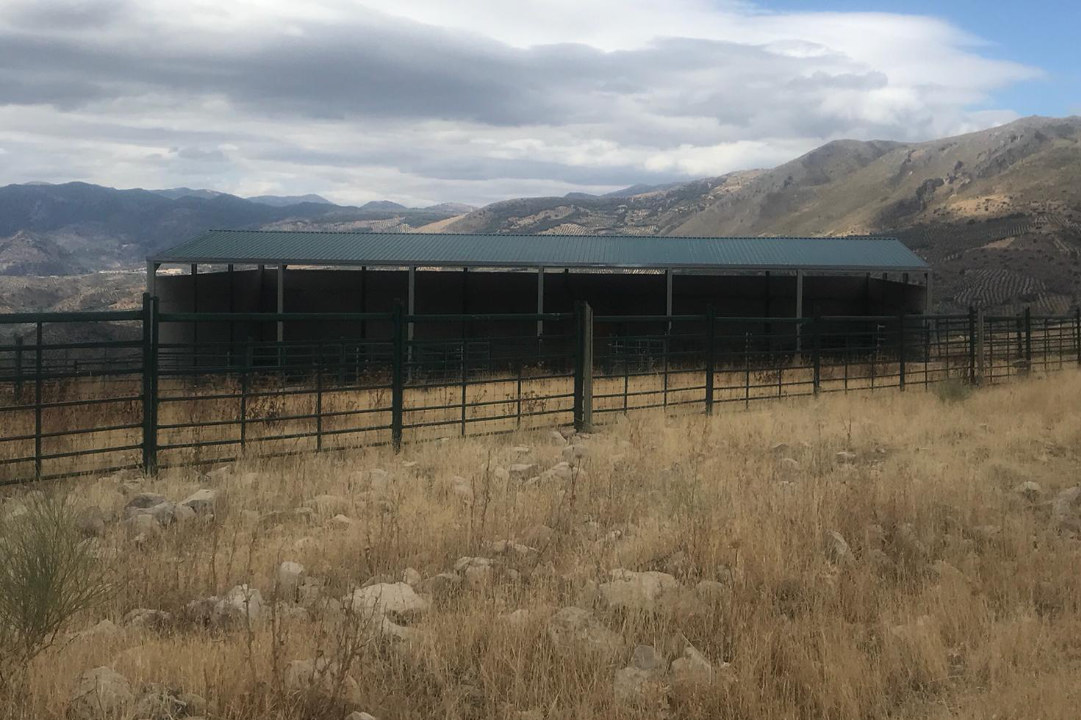
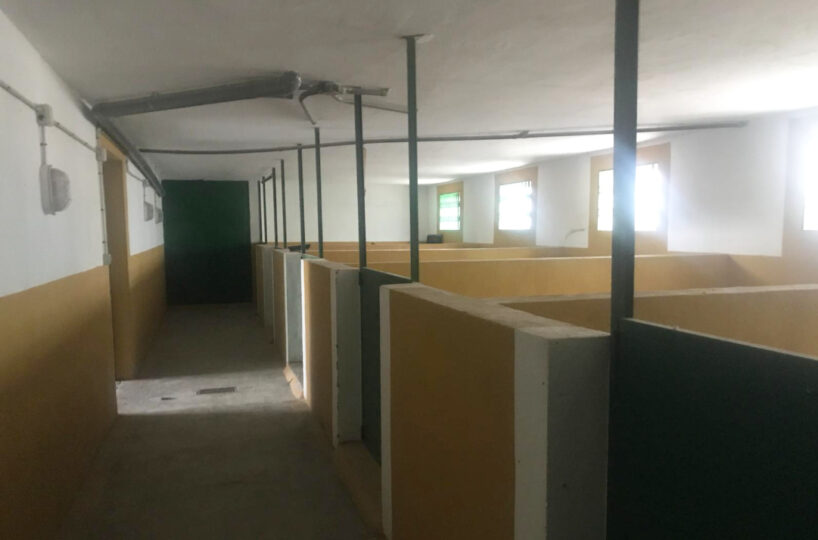
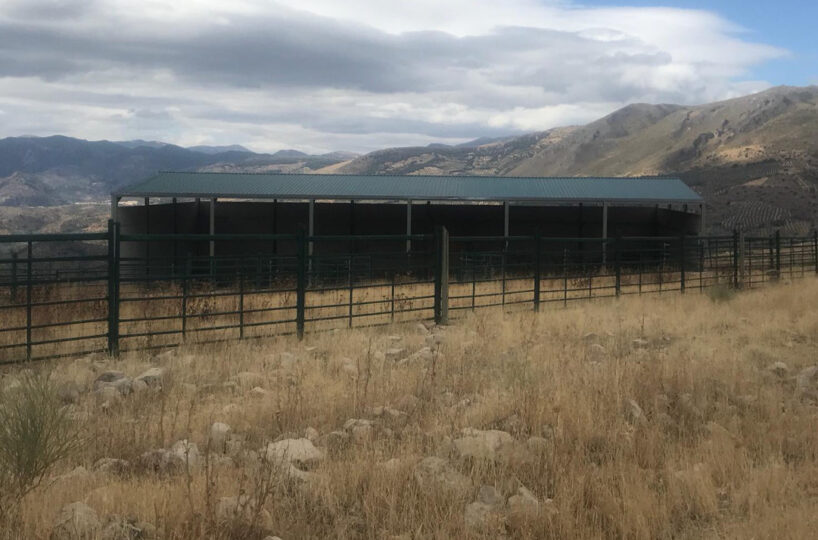
It also includes: - Five new horse boxes, cattle handling facilities, corrals, and a small arena for livestock management, including fighting cattle.
- A hay barn with capacity to store large quantities of hay or straw.
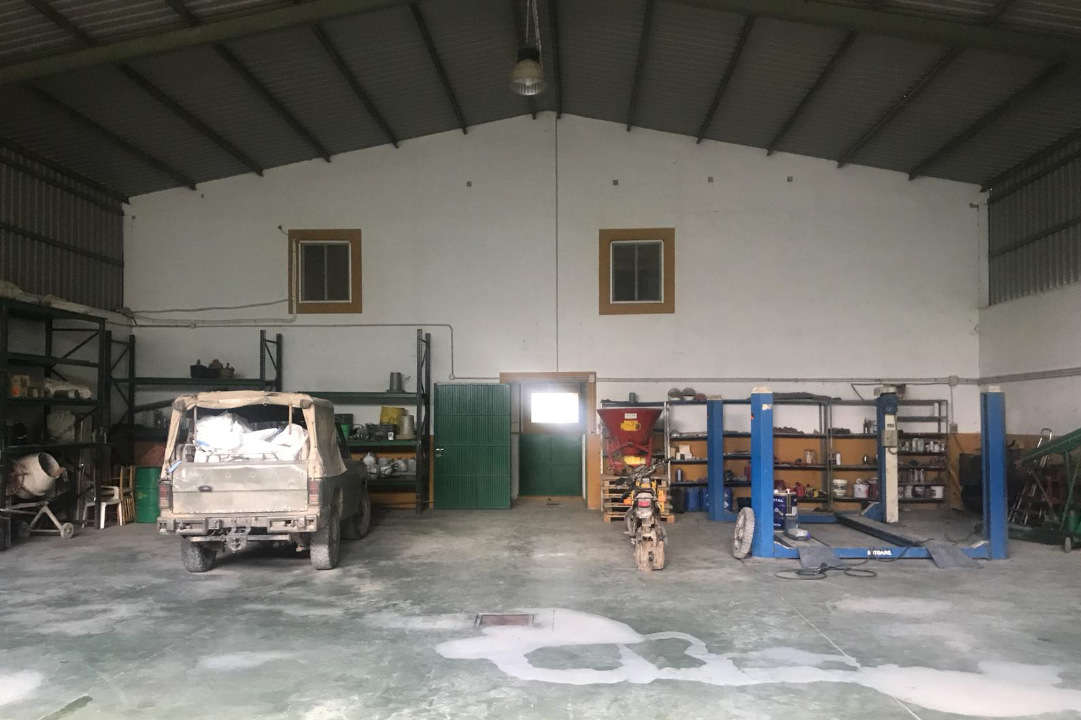
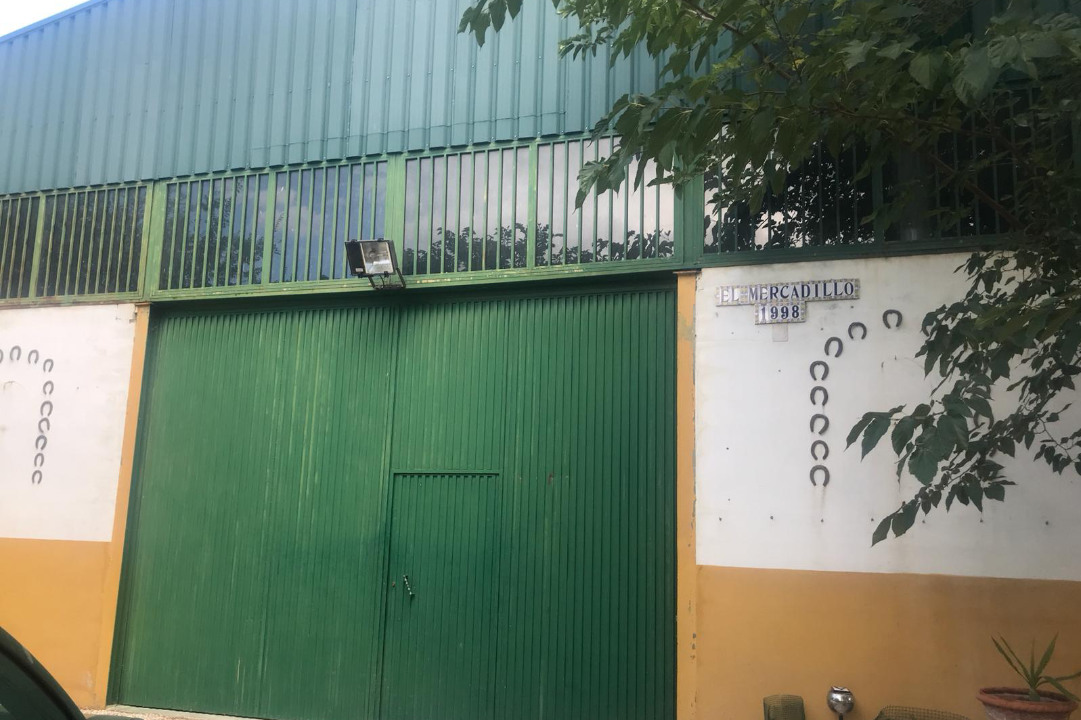
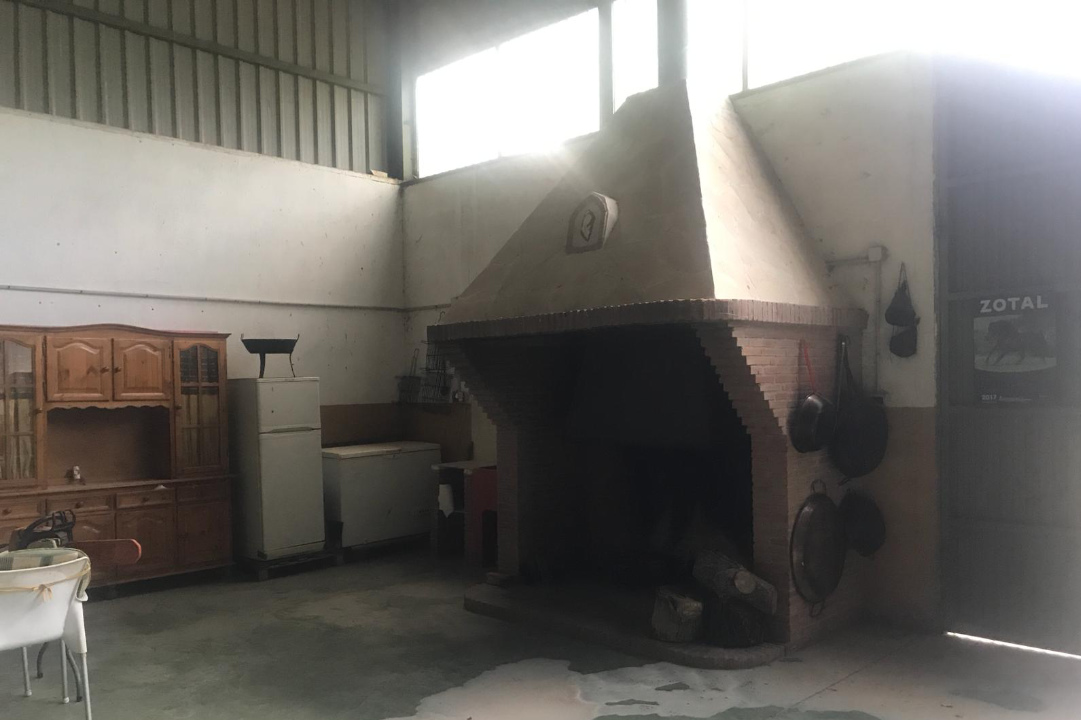
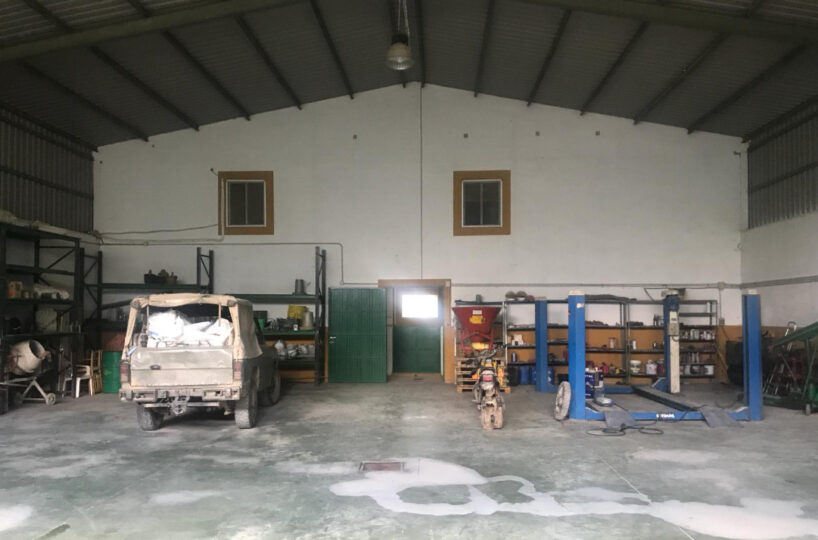
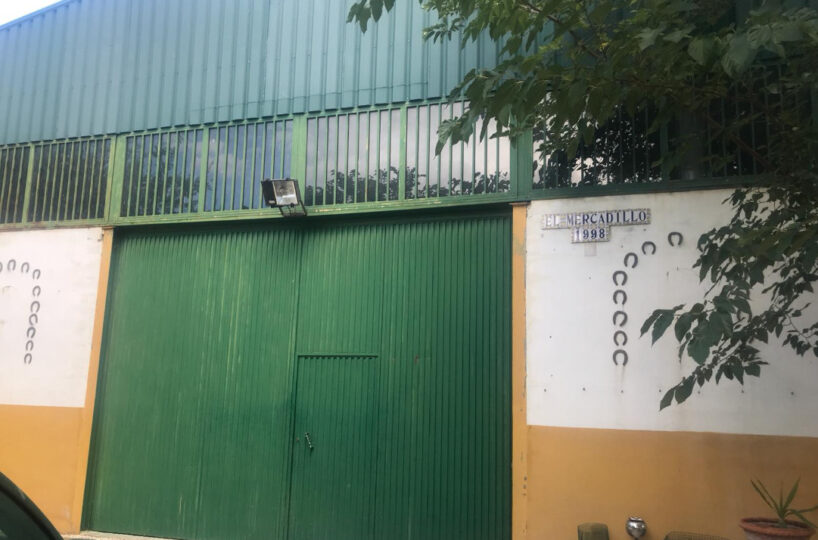
- Two sheds for storage of tools and machinery, and a mechanical workshop for tractor and vehicle repairs.
- Over 30 steel feeders distributed across the estate for feeding livestock.
- Two fully equipped wooden cabins for night hunting (waits or hides).
4 – Fencing
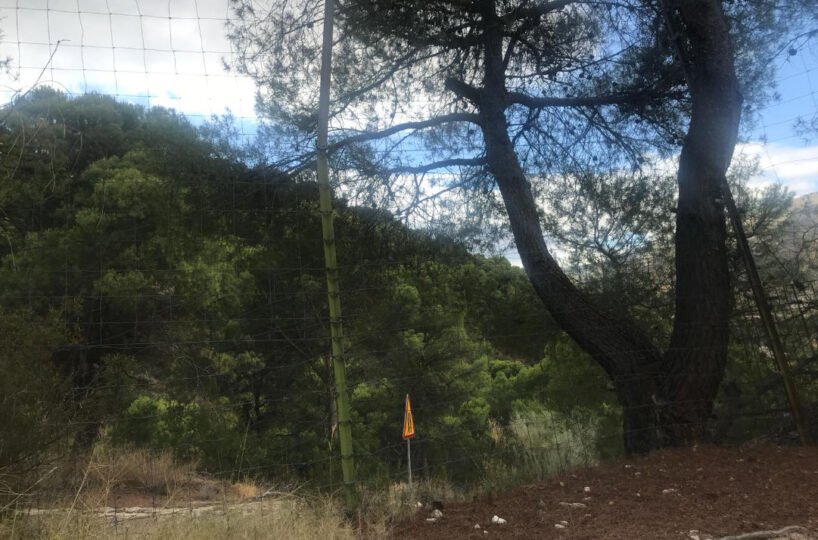
The estate has over 12 kilometres of top-quality game fencing, one of its main assets and a valuable feature of this dehesa.
5 – Roads and Tracks
The entire estate is well networked with private roads and tracks, allowing easy access to even the most remote areas.
Importantly, no public roads cross the property, ensuring maximum privacy and security.
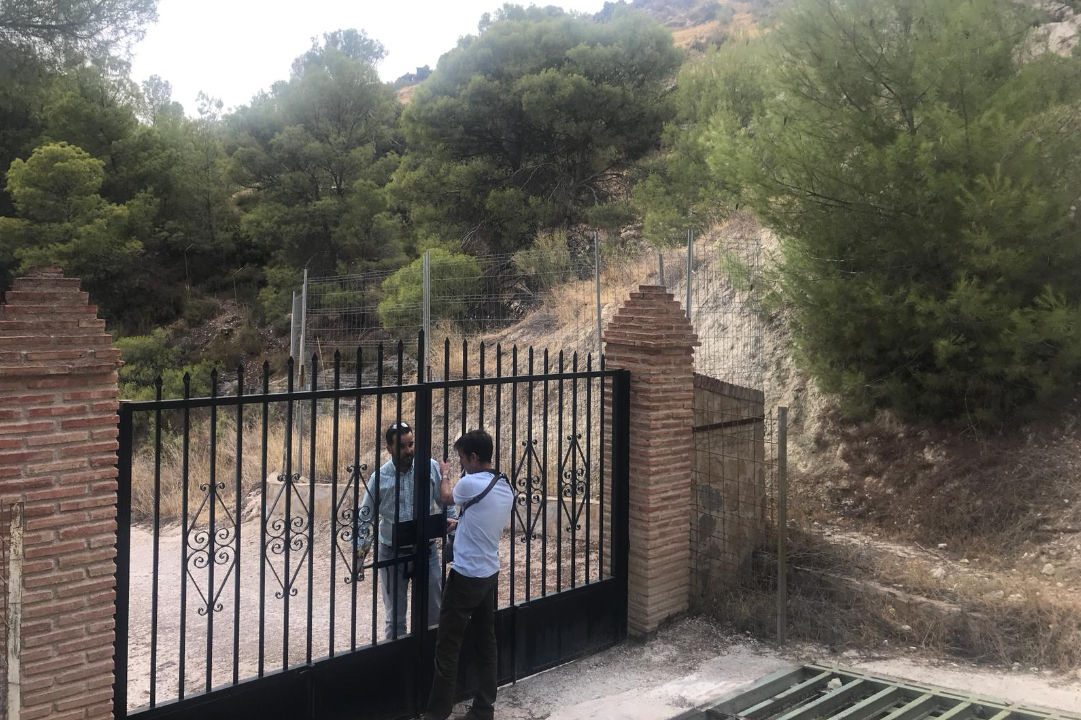
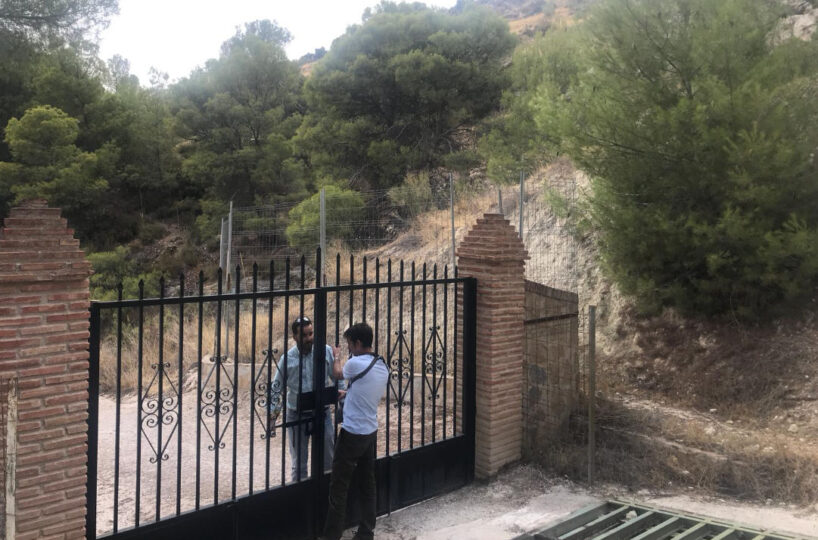
It has three large gates in strategic points allowing access from different sides.
There is also a contractual agreement for the maintenance of the main track, ensuring it remains in excellent condition free of charge.
6 – Vegetation
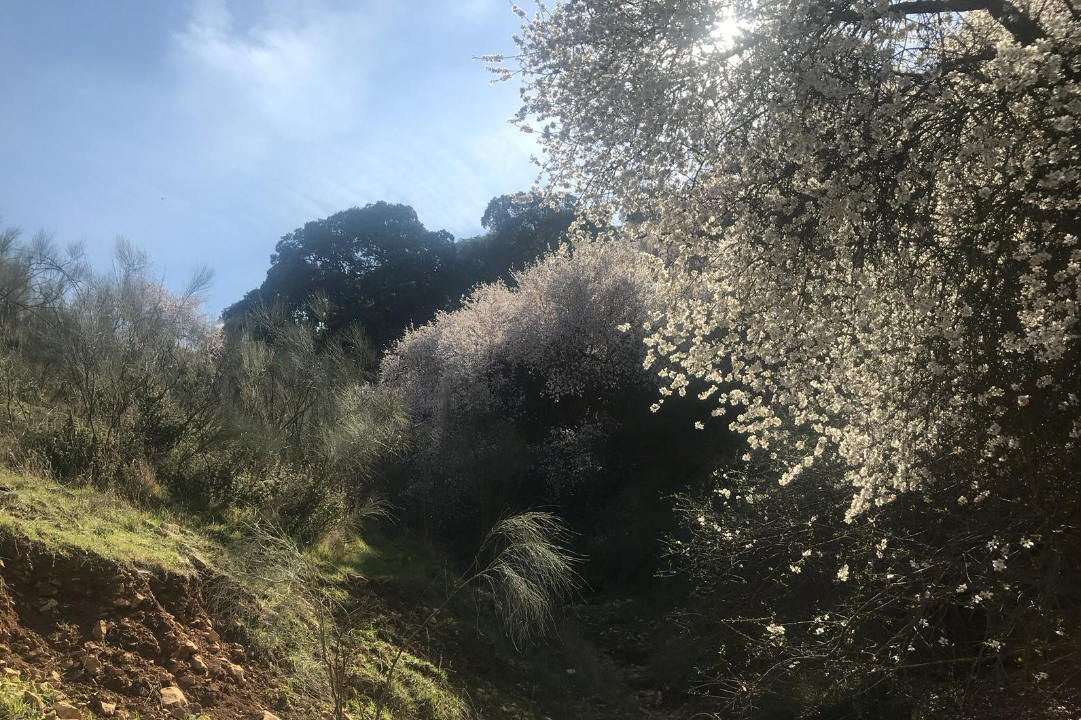
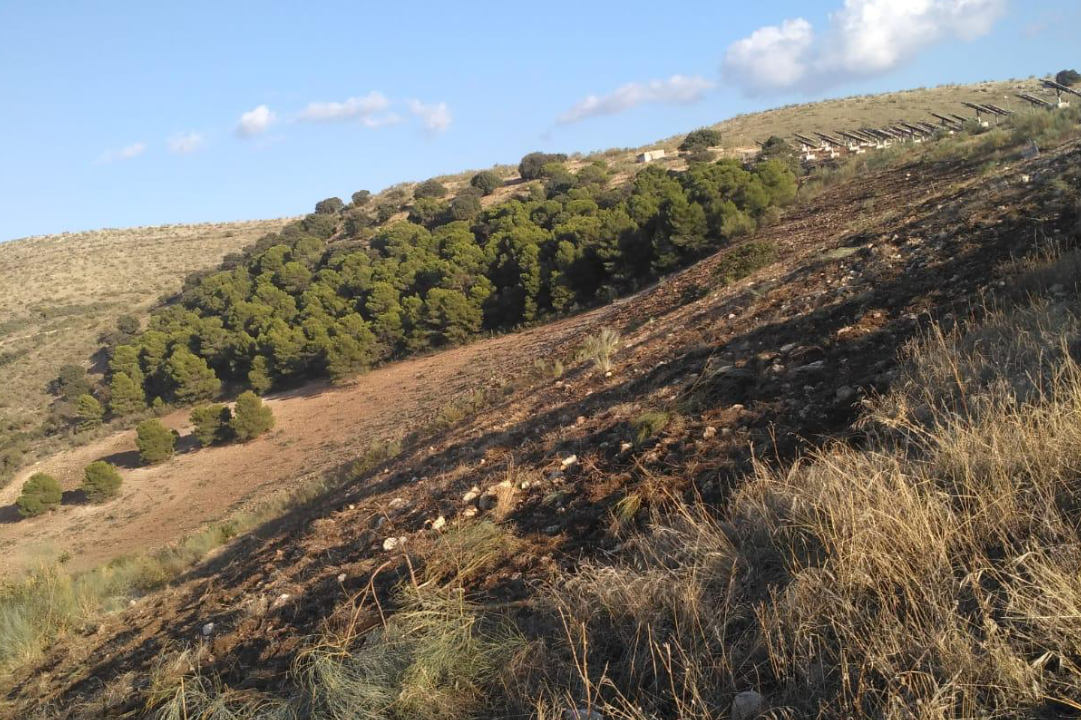
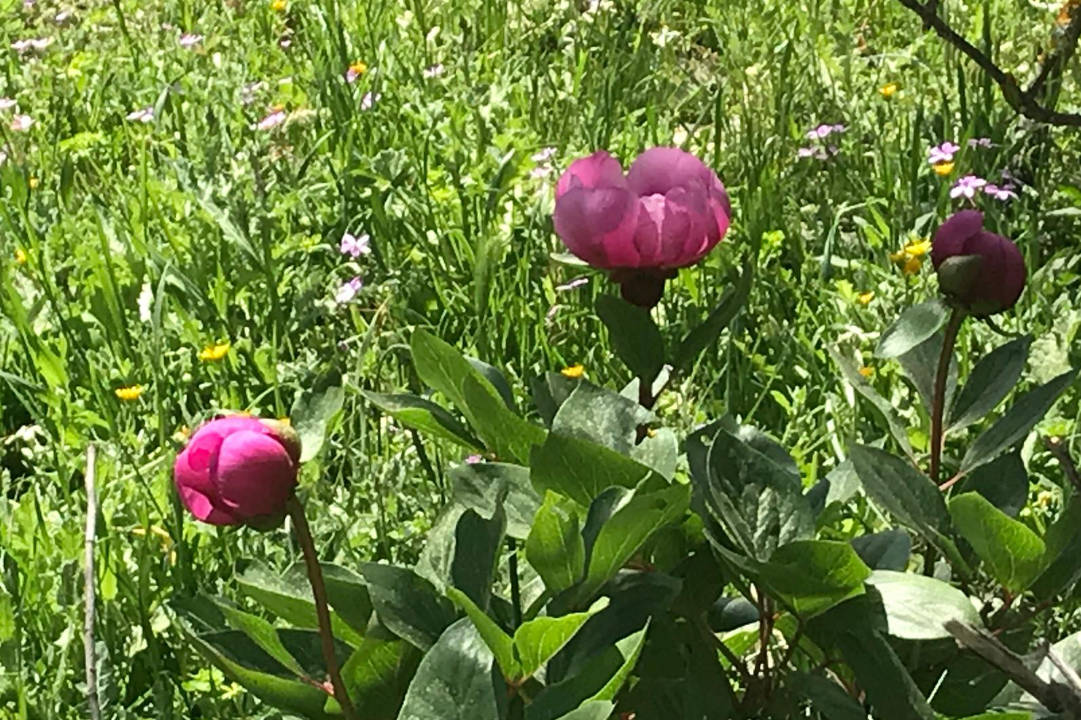
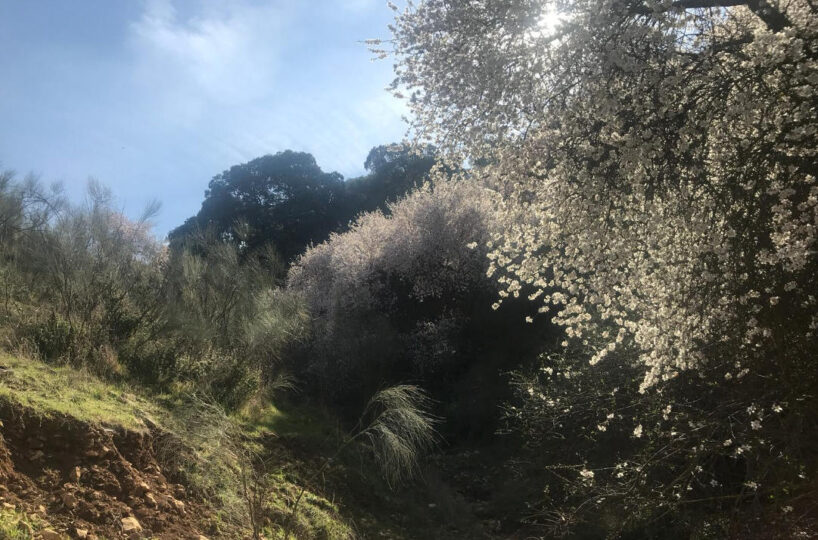
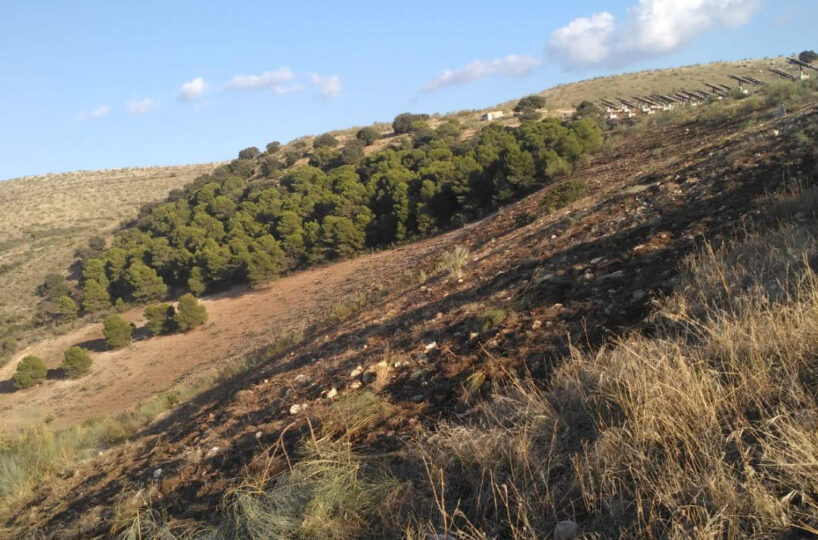
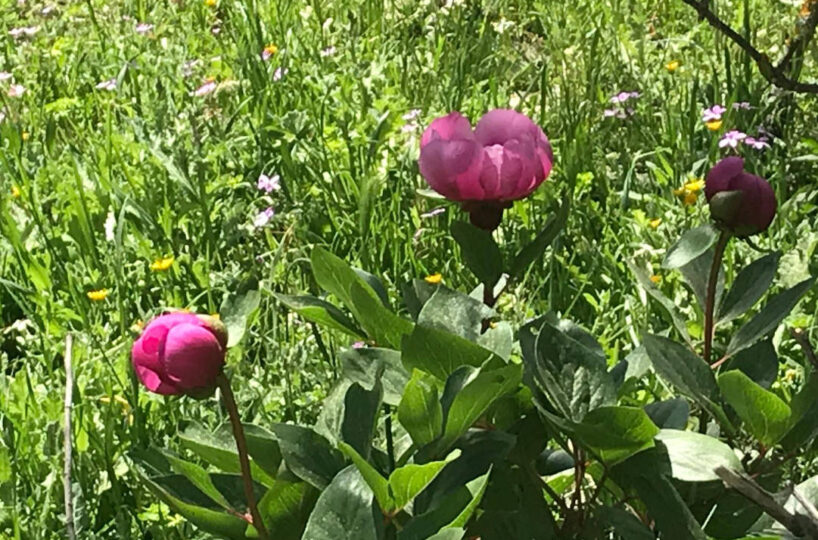
The estate’s vegetation is diverse, containing almost all plant species typical of the Sierra Mágina region.
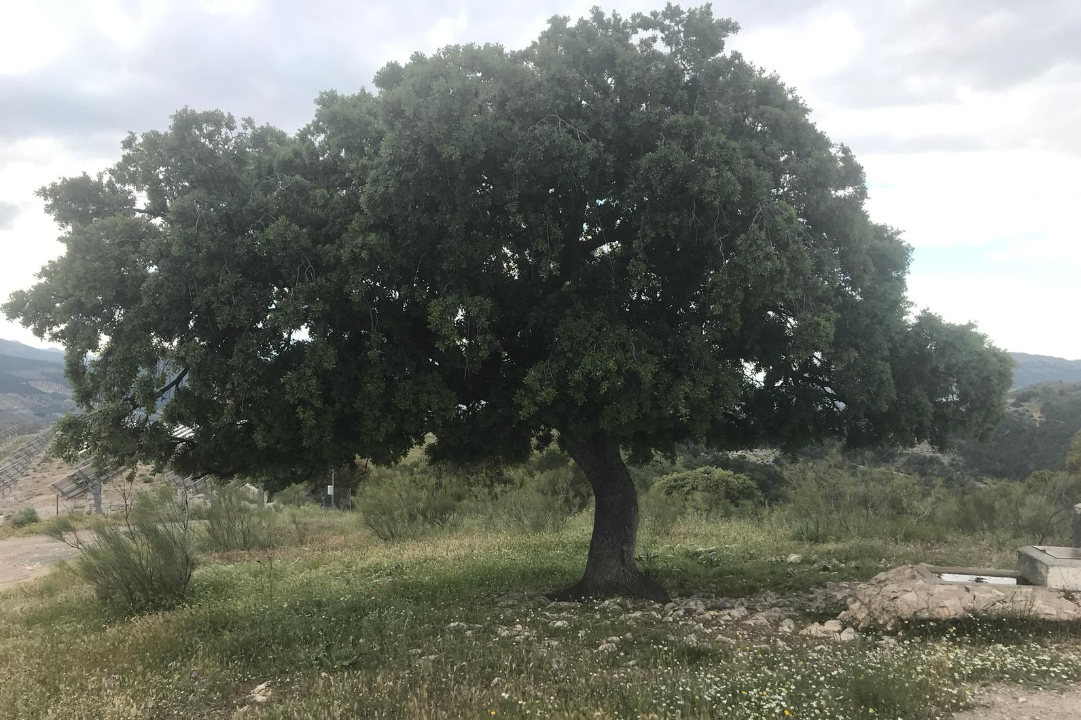
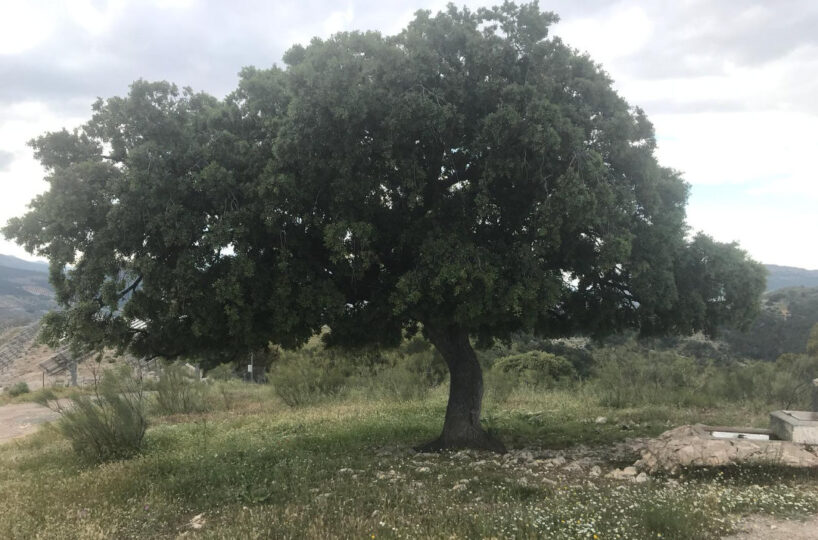
There are areas with centenary holm oaks producing abundant acorns that feed both big and small game, as well as junipers, savin trees, rosemary, lentisks, and broom, which provide shelter and resting areas for wildlife.
Large areas of commercial pine forest also exist, producing valuable timber.
Additionally, there are about 400 olive trees, currently used to feed livestock, but with the potential to produce high-quality olives under the prestigious D.O. Sierra Mágina appellation.
7 – Wildlife
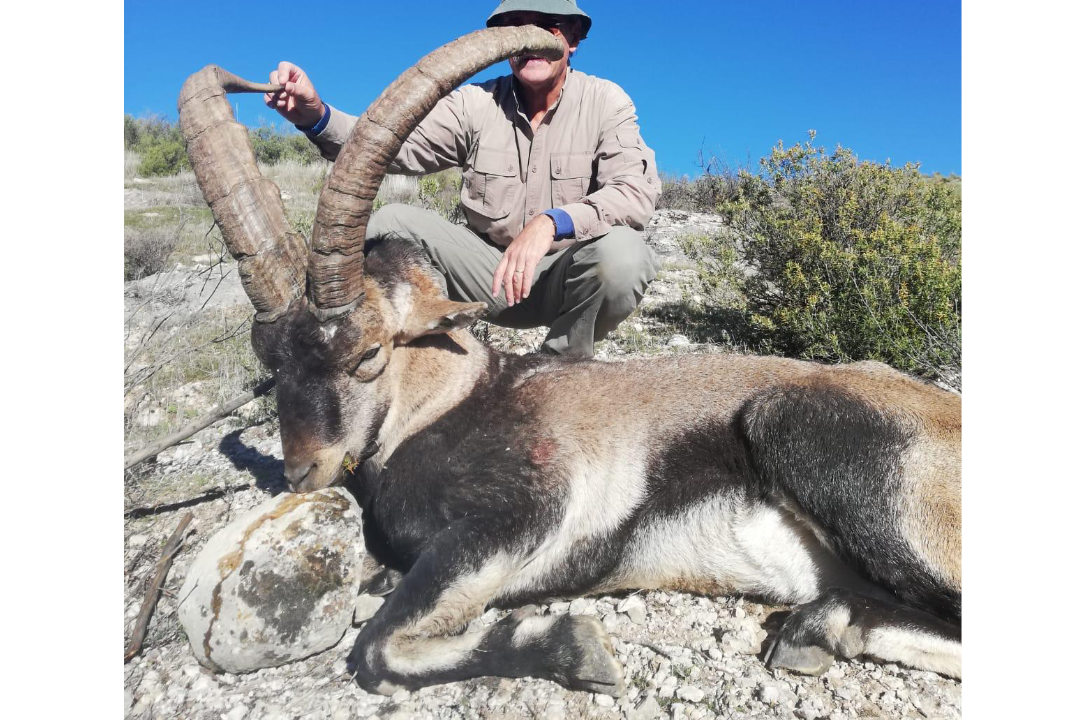
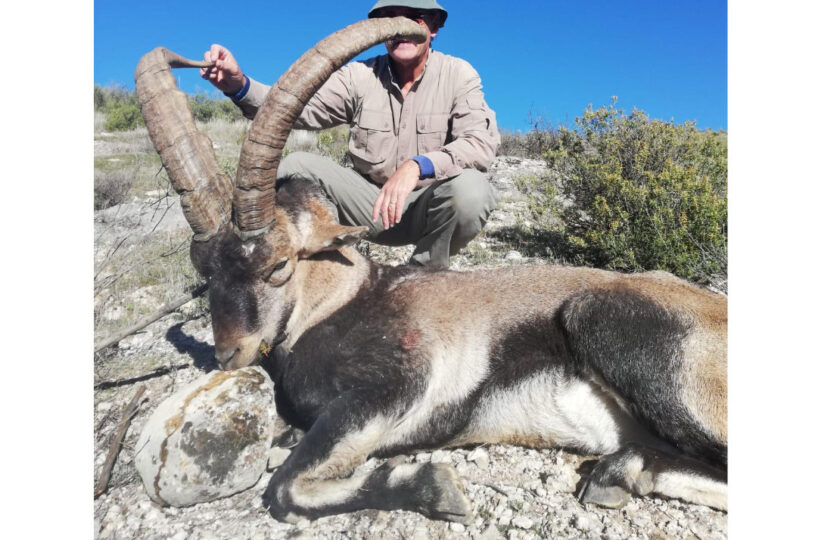
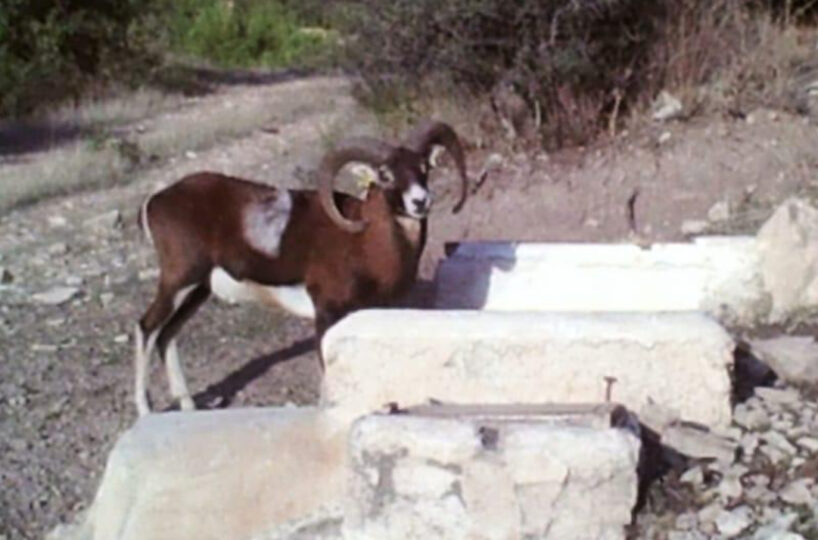
The hunting preserve hosts a rich variety of big and small game species, including wild boar, deer, mouflon, Spanish ibex, turtle doves, thrushes, wood pigeons, rabbits, and abundant native red partridges.
Although roe deer are not currently present, authorization for their introduction has been requested, as the estate offers ideal conditions for their breeding.
The Spanish ibex is the flagship species, with over 100 specimens and a high trophy quality.
There are around 100 deer, introduced five years ago from Lagunes genetics, with purchase certificates available.
Mouflon are the most numerous species, with an estimated population of around 150, from Central European lines that produce exceptional trophies highly sought after by hunters.
Wild boar, along with the ibex, are the most emblematic species, featuring compact-bodied “Arocho” specimens known for their impressive tusks. Their population exceeds 100 individuals.
The estate also supports abundant small game, with designated shooting areas fully prepared for hunting.
8 – Hunting Management Plan
The hunting plan optimizes sustainable use of all species:
- Permits for mountain ibex stalking.
- One full driven hunt (montería) and one smaller hunt (gancho) possible.
- Mouflon and red deer stalking or hunting during monterías.
- Night wild boar waits, as well as hunting on foot or during driven hunts.
- Small game hunting both on foot or from fixed posts, with authorized partridge releases.
9 – Capture Enclosures
The estate has official authorization for live capture of Spanish ibex, wild boar, and deer, with capture enclosures located in strategic areas.
10 – Olive Trees and Farmland
There are about 400 olive trees and 40 hectares of arable land, cultivated mainly to produce feed for wildlife.
A project to plant 10,000 almond or pistachio trees is already prepared.
11 – Surroundings
Within 2 km there are restaurants, a hotel, a fuel station, and grocery shops.
The estate lies within the Sierra Mágina region, an area once little known but now enjoying a strong rise in rural and nature tourism.
12 – Enclaves
Within the property, there is a 10-hectare enclave containing a solar farm (not included in the sale).
However, the solar company maintains the main track and the estate benefits from its security cameras for additional safety and surveillance.
13 – Historical Significance
This estate has a remarkable history, having long marked the border between the Taifa Kingdom of Granada and the Kingdom of Castile. Its name comes from the “mercadillo” (small market) where, in times of peace, inhabitants from both kingdoms traded goods.
It also witnessed numerous battles, as the route connecting Jaén with the Muslim fortresses of Cambil and Alhabar passed through here.
The most famous was in 1425, when Christian troops under Bishop González de Zúñiga were defeated by the Granadan forces, as recorded in the Summary of Arqueada.
The estate also contains a historic quarry, mentioned in multiple documents as the “Cantera del Mercadillo”, which supplied stone for palaces and churches in Jaén and nearby towns.
14 – Grants and Subsidies
The estate receives CAP (PAC) subsidies for its cropland and olive groves, as well as maintenance grants for firebreaks.
15 – Tourism Plan and Added Value
The property offers additional income potential through rural and active tourism, with opportunities for horseback riding, hiking, cycling, and cultural routes.
It currently partners with a beekeeping company, as the area is highly valued for honey of exceptional quality.
There are about 100 hives on the estate, with potential for a significant increase.
16 – Why Buy an Estate Near Granada?
The eastern part of Jaén, especially near Granada, offers strong property appreciation potential.
Granada has been voted for the second consecutive year as the “Best City to Visit in the World”, ahead of New York, Bangkok, Dubrovnik, and Lisbon, among others.
Owning an estate of this caliber just 35 minutes from Granada and 15 minutes from Jaén is both a luxury and a sound long-term investment.
